
Cultures of the Plague
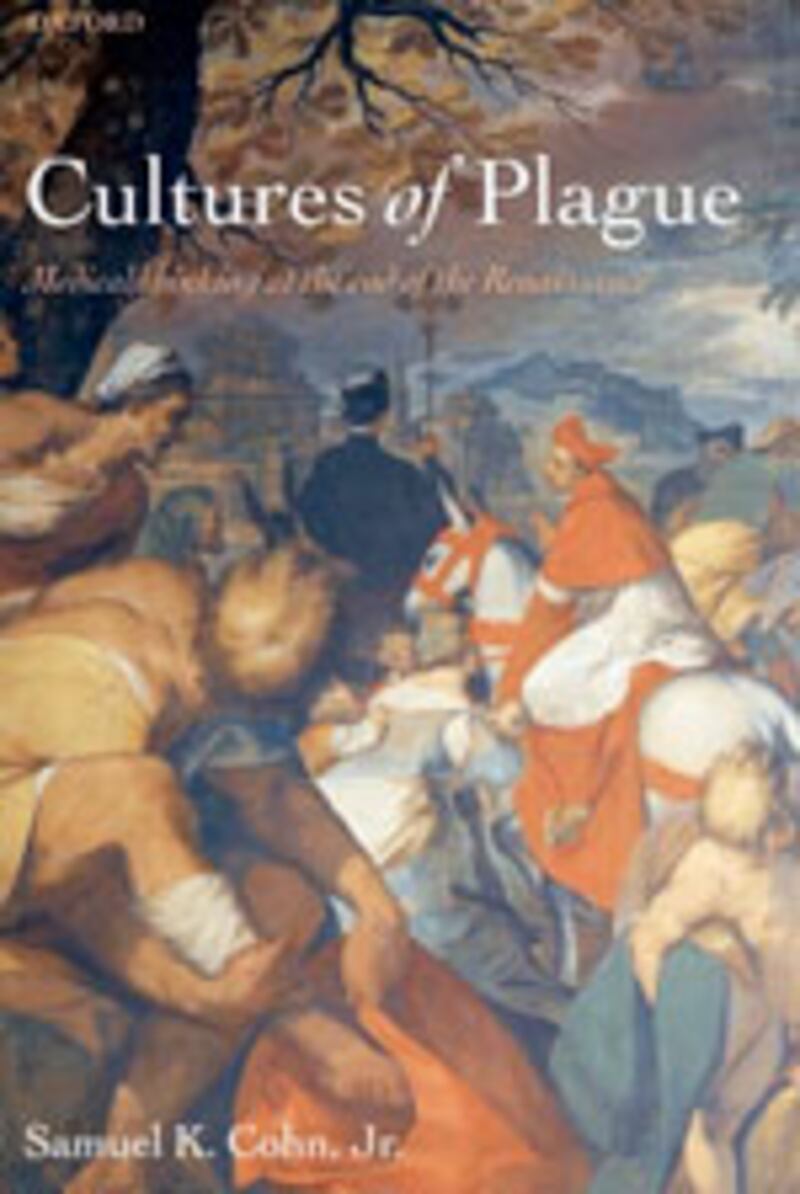
This has been a good week in Britain for businessmen and politicians who doubt the force of man’s malign influence on the climate and distrust the scientists who want them to give up their cars. Climate scientists have had to admit data failures, carelessness with evidence, and coverups. Those, on the other hand, with no doubts about human responsibility for melting glaciers have made dark accusations of dirty tricks by corporate polluters and right-wing journalists. Lauro Martines in the TLS this week takes a longer view backward, likening modern climate-change deniers to those 16th-century Venetians who desperately did not want their city to be stricken by plague and who produced apparently scientific arguments to prove that it was not. Plague-deniers caused a lot of trouble but, it seems, were less effective even in their own time than they hoped to be. Martines reviewed a “brilliant study,” Samuel K. Cohn Jr.'s Cultures of Plague, that shows that despite the economic self-interest and preference for ancient truths in Counter-Reformation Italy, great strides in understanding were made there nonetheless, advances which made possible the gains more often attributed to the Protestant scientists of the next century.
Celebrity Hypochondria
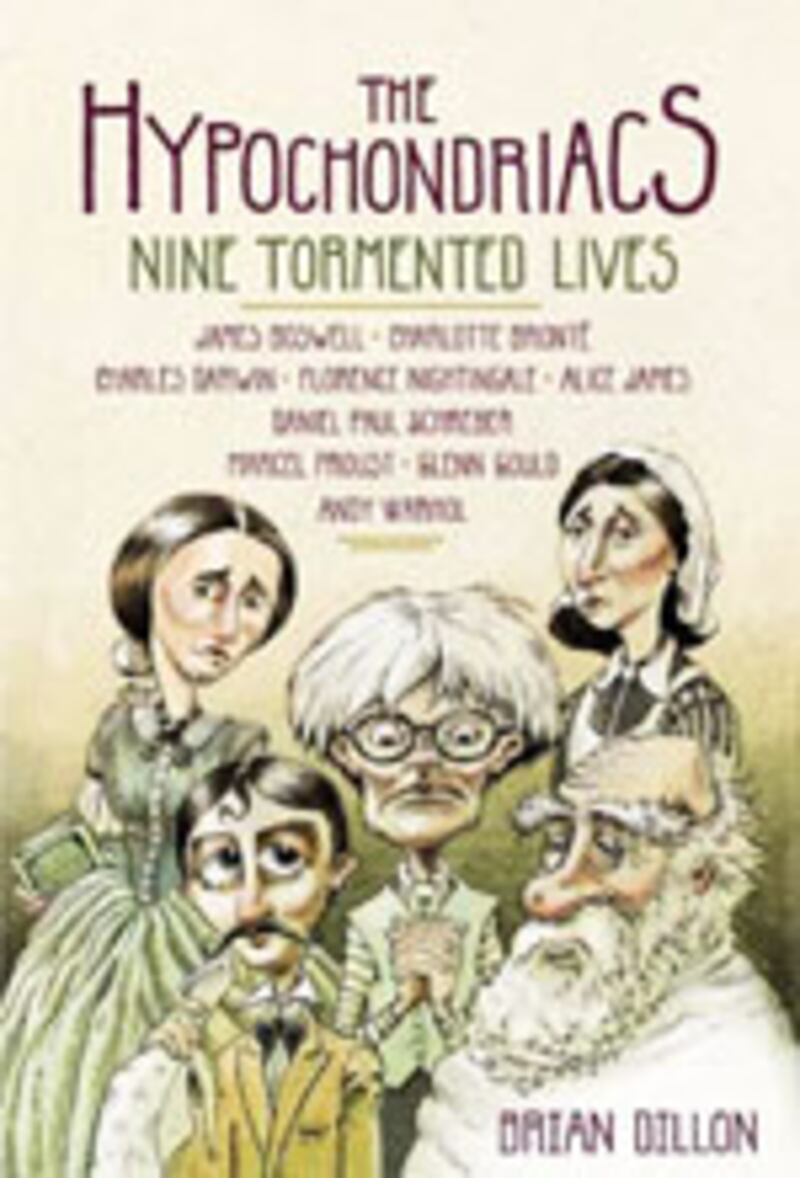
For as long as causes of plague were subjects of debate, less attention, quite reasonably, was given to hypochondria. The word that the Greeks used for gastric problems and Charlotte Brontë brought to depression, reached its modern apogee in the examples of Andy Warhol and Glenn Gould, cases studied in Brian Dillon’s The Hypochondriacs, reviewed by Lucasta Miller this week.
She recalls how the reclusive pianist Gould threatened to sue his record company, believing that he had been seriously injured after one of its employees gently placed a hand on his shoulder; “Warhol’s fear of catching AIDS was such that he couldn’t eat a sandwich prepared by a café worker who appeared camp.” Warhol and Gould, however, would have roundly resisted applying the stigma “hypochondriac” to their own terrors; it would have seemed to them a “humiliating admission that they were making a fuss about nothing.” Brontë had no such problems, unabashedly offering an in-depth study of her heroine’s “hypochondria” in her autobiographical novel Villette.
The Tangled History of Knitting
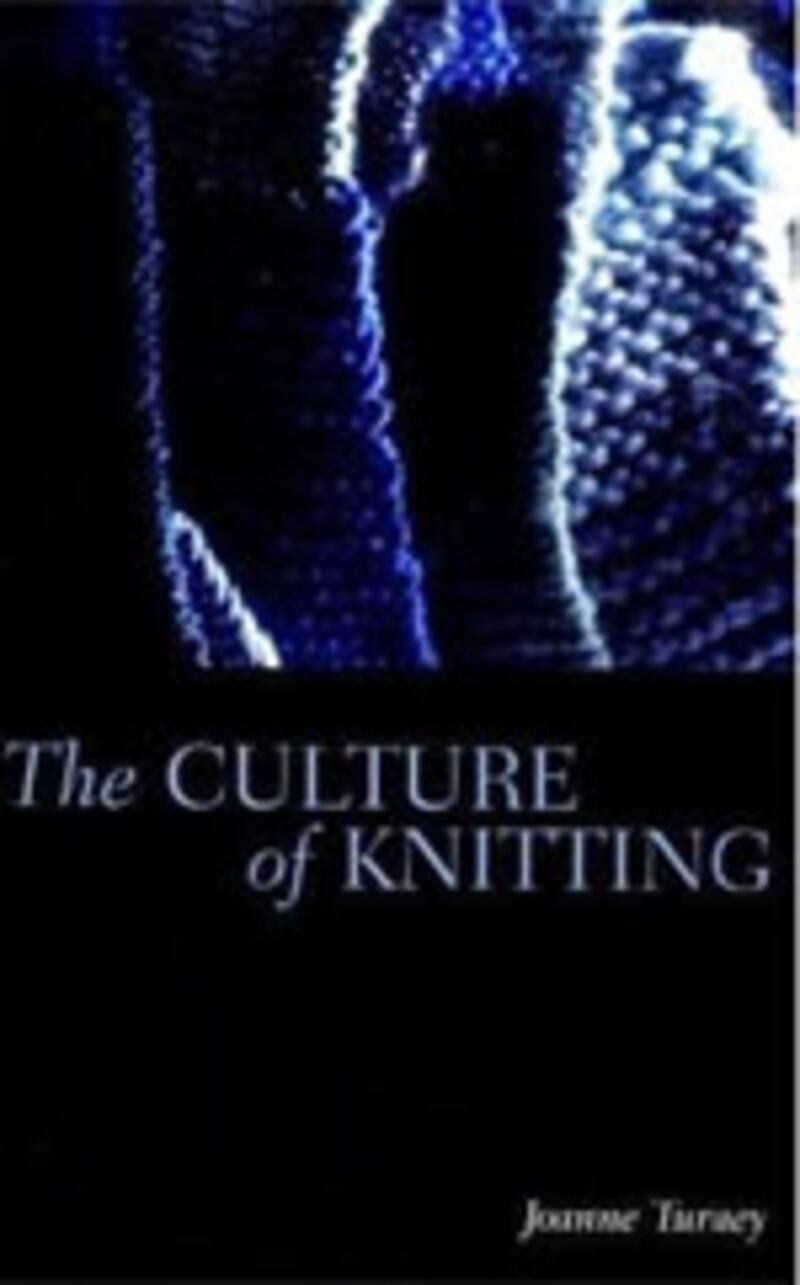
Jane Jakeman examines the recent revival of knitting as a “heritage” product, in a review of Joanne Turney's The Culture of Knitting. Turney, she says, “delves deep into the antecedents of the traditional ‘Fair Isle’ sweater, which stands nowadays in conscious opposition to the mass-produced garment as an individual piece of handicraft, evocative of the circumstances in which it was made.” She notes too the revitalization of the heavy jersey as an aspect of “the constant reinvention and dynamism of fashion, epitomized by Vivienne Westwood’s 1980s collections which utilized the Shetland sweater, adapted with computerized designs, to emphasize a national identity.” But occasionally she spins her line a little too far. “The revolution will be knitted” is one of the section-headings in a book that finds the reviewer more skeptical, despite the pleasing idea that the great detective, Miss Marple, stands in the tradition of the tricoteuses beneath the guillotine.
Peter Stothard is the author of Thirty Days, a Downing Street diary of his time with British Prime Minister Tony Blair during the Iraq war and On the Spartacus Road: A Spectacular Journey Through Ancient Italy which will be published in January.