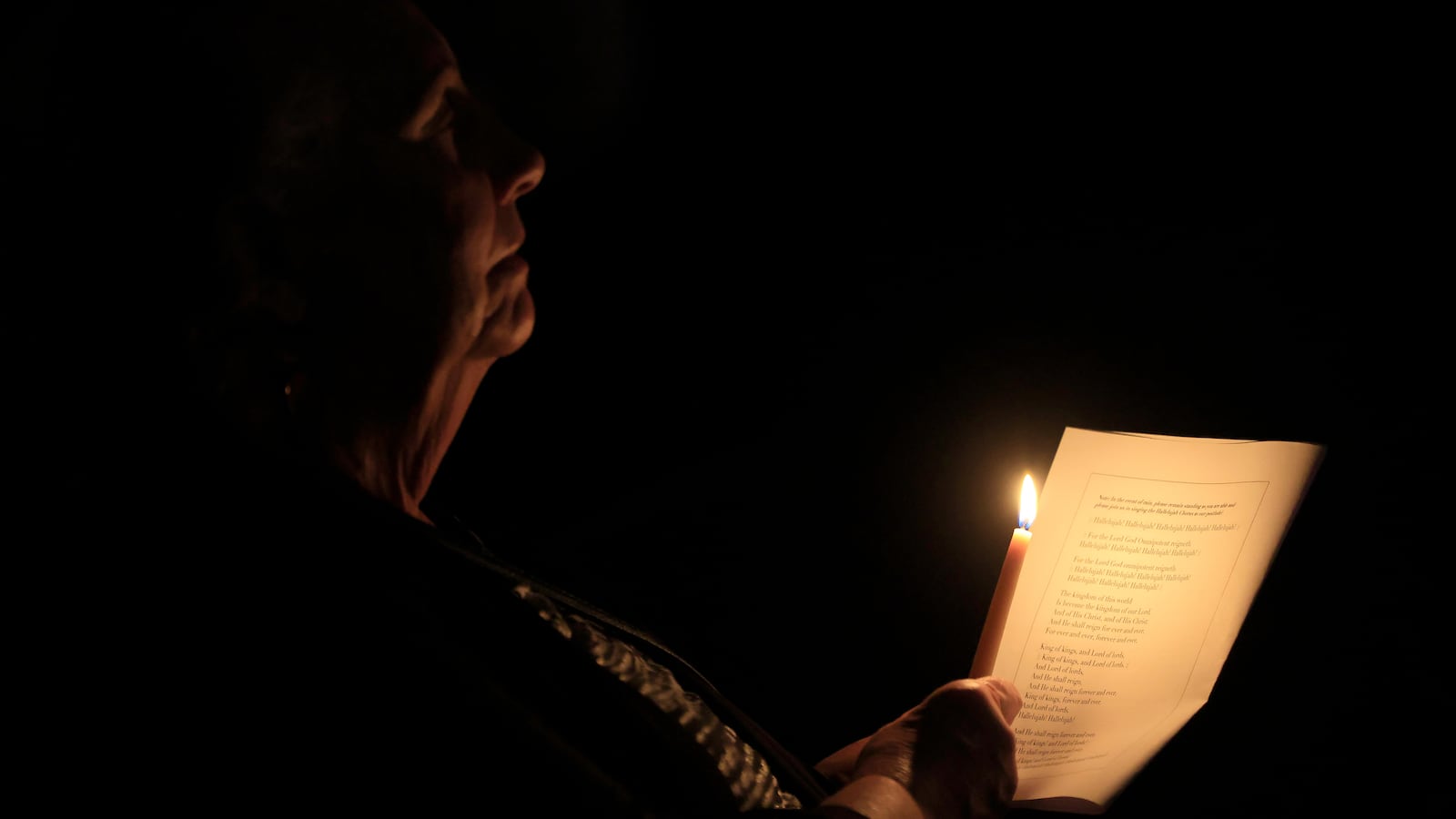
The number of Americans who say they have no religious affiliation has reached an all-time high, according to a massive running study.
Data from the Public Religion Research Institute (PRRI) shows that 28 percent of Americans identify as “religiously unaffiliated,” up from 16 percent in 2006. A significant fall-off in religious affiliation among younger people has fueled the rise.
PRRI said that its study, which uses data going back to 2006 and has been conducted annually by the institute since 2013, shows that 38 percent of those aged 18 to 29 said in 2024 that they have no religion, up from 32 percent in 2013. Among those aged 30 to 49, 34 percent were religiously unaffiliated, compared to 23 percent in 2013. The findings were first reported by Axios.
PRRI based its study on a random sample of 40,000 adults across the U.S., conducted by Ipsos—a far more meaningful sample than the polls that are used to predict elections.
The growing tide of irreligion appears to affect all denominations, the study found, and is occurring at a scale and speed that sets it apart from previous generational shifts in belief.
Analysts point to a mixture of factors fueling the trend: declining trust in institutions, growing political polarization tied to religion, and the rise of online communities that offer moral frameworks and belonging outside of traditional faith spaces. Social media, streaming platforms, and digital activism have created alternative forms of identity and meaning that don’t require church membership—or belief.
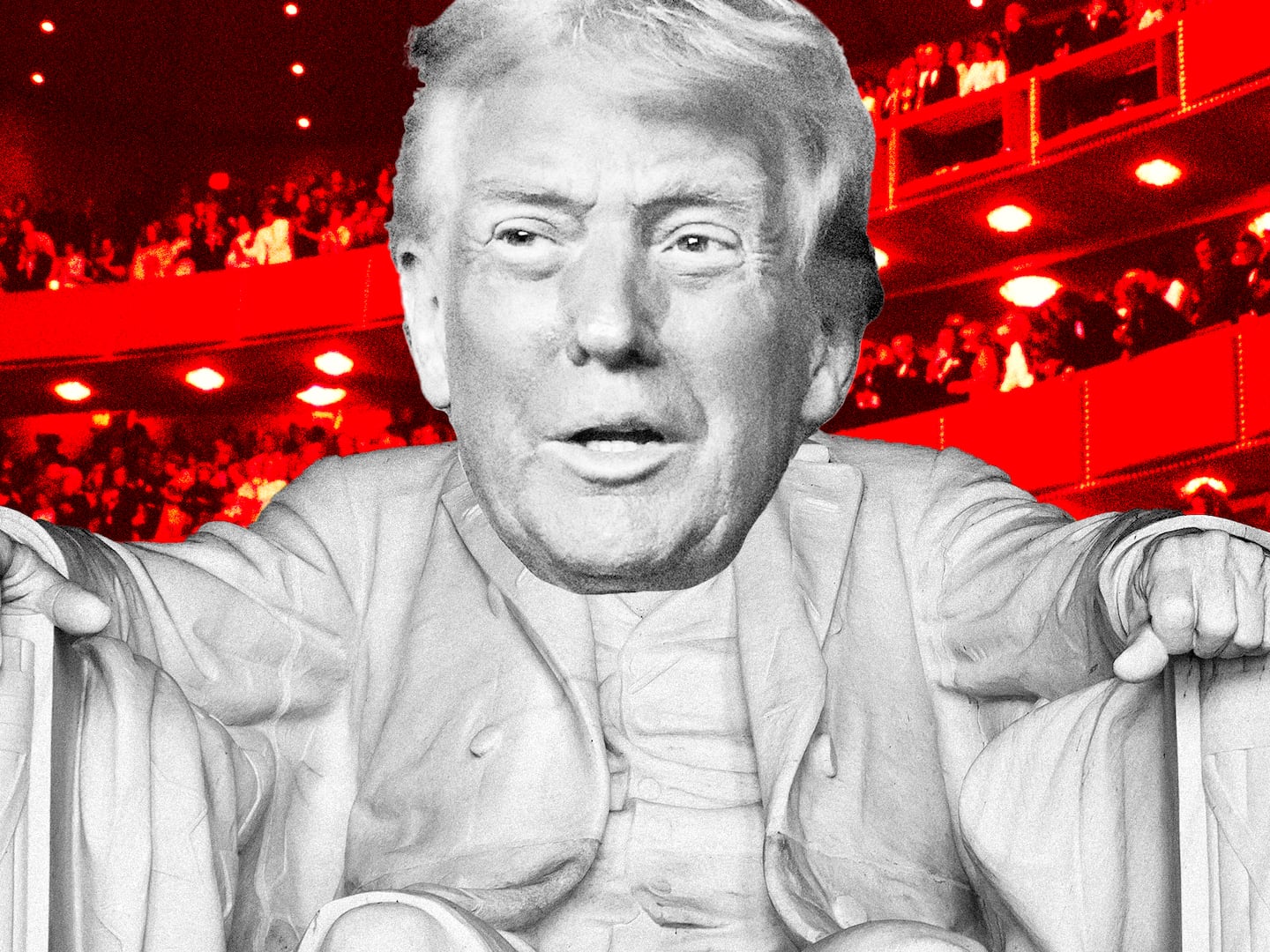
The shift has become increasingly visible around moments traditionally tied to faith. Even President Trump, who campaigned heavily on evangelical Christian culture war issues, did not attend church on Christmas Day this year. However, he did order airstrikes in Nigeria against fundamentalist Muslim groups that his administration says are persecuting Christians.
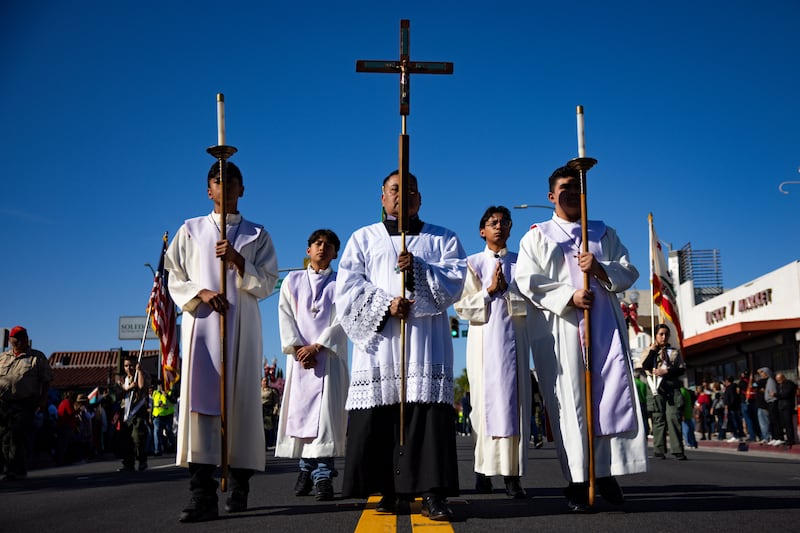
The findings also call into doubt claims of a revival, particularly in the Catholic faith. Such claims had been made repeatedly on social media, especially in the wake of Pope Leo XIV’s election as the first American pope.
The census shows unexpected consequences for both parties. PRRI reported that religiously unaffiliated voters account for roughly 34 percent of the Democratic coalition. While Democrats benefit from the growth of secular voters, those voters are harder to mobilize through traditional outreach.
Democratic strategist Sisto Abeyta, a New Mexico–based consultant with TriStrategies, told Axios that religiously unaffiliated voters are significantly harder—and more expensive—to reach. Campaigns, he said, spend about $1.40 per voter trying to engage religious ones, compared to roughly 45 cents for religiously affiliated voters.
“We have to find (religiously unaffiliated voters), engage them and answer their skeptical questions, Abeyta told Axios. ”Rather than just go to a church and pass out campaign literature."
PRRI’s data shows that Republicans remain heavily anchored to white Christian voters, who make up roughly 68 percent of the GOP coalition, while only about 12 percent of Republican voters identify as religiously unaffiliated.