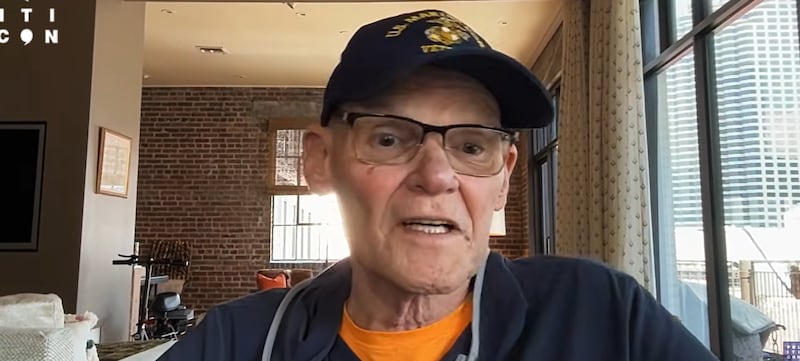
President Donald Trump is losing his grip on the Republican Party, Democratic strategist James Carville says, as new polling shows GOP support for the president falling sharply from the highs of his second term.
“I think the most undercovered story in American politics today is Trump’s Republican number. And it’s falling, it’s falling quickly,” Carville said on the latest episode of the Politics War Room podcast.
“I think it’s coming in about 80 now in most polls, which is significantly lower than 95.”
The latest YouGov/Economist survey found 79 percent of Republicans approve of Trump’s performance, down from 94 percent in the first poll of his second term.
A July ActiVote poll similarly found 79 percent approval among Republicans, compared with 86 percent in January 2025.
Carville argued the decline goes beyond Trump’s approval rating, suggesting Republicans are increasingly tuning him out.

“It’s so hard after being so obsessed with Trump for so long for the last 10 years; it’s just been Trump, Trump, Trump, Trump—the country is starting to turn away from him,” he said.
“Sure, his polling numbers are down. But he’s just becoming less relevant in people’s minds,” Carville continued. “And I think that applies to Republican primary voters in South Carolina. I think every day his endorsement loses a tenth of a point’s influence.”
White House spokesperson Davis Ingle responded by calling Carville “a stone-cold loser who suffers from a severe and incurable disease known as Trump Derangement Syndrome,” which he said “has completely rotted his peanut-sized brain.”
Trump’s standing has steadily deteriorated since he launched his war in Iran without congressional authorization in February.
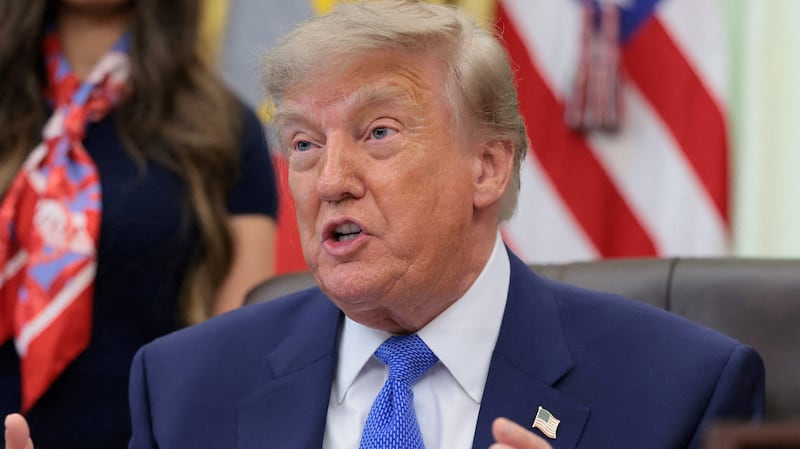
The conflict has been historically unpopular. Support has stayed below 40 percent since the U.S. and Israel began strikes on February 28—well below the early backing for the wars in Iraq and Afghanistan.
Polls show that is because many Americans remain unconvinced that the war has a clear purpose and fear it could become another open-ended conflict.
Nearly seven in 10 Americans, including four in 10 Republicans, told Reuters/Ipsos that Trump has failed to clearly explain why the U.S. is fighting.
Trump has offered several justifications, including removing Iran’s leadership, destroying its missile program and preventing Tehran from developing a nuclear weapon. But his shifting explanations have left his ultimate goal unclear.
Meanwhile, the Reuters/Ipsos poll found 67 percent of Americans want Trump to end the war now, including 73 percent of independents and 30 percent of Republicans.
Yet 37 percent expect the conflict to last months, while another 32 percent think it could drag on for years.
Those fears have intensified since the collapse of the ceasefire. Fighting has resumed, U.S. naval operations around Iran have expanded, and four American service members were killed last month in attacks on bases in Jordan and Iraq, bringing the U.S. death toll to 18.
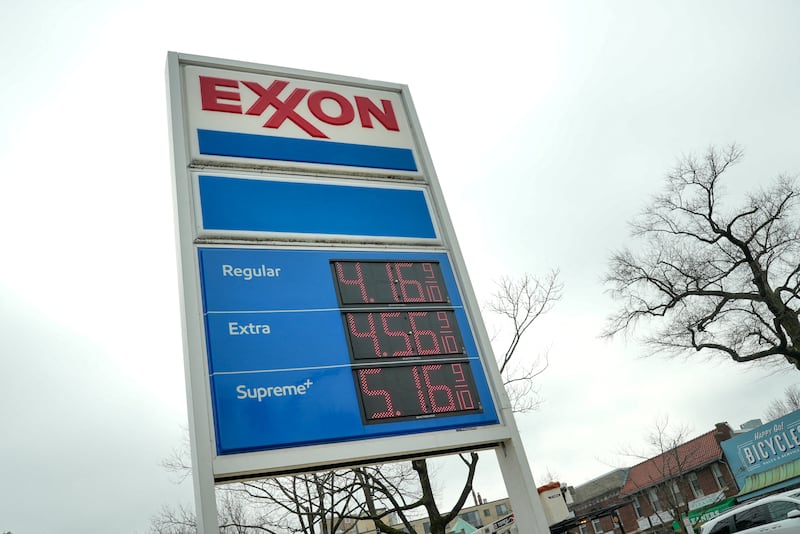
The war has also seen gas prices spike, jumping from around $3 a gallon before the conflict to more than $4, adding to pressure on household budgets.
Amid the mounting costs of the war, Trump’s approval rating has taken a massive hit.

At the start of his second term, 49 percent of Americans approved of his performance and 43 percent disapproved, according to YouGov/Economist polling. Now, just 33 percent approve, while 62 percent disapprove.
And that is a worrying sign for the Republicans ahead of November’s midterms.
“If Democrats could sustain leads on the economy and win double digit margins among independents as some polls show, a Blue Wave is possible,” GOP strategist David Winston told the Wall Street Journal this week.