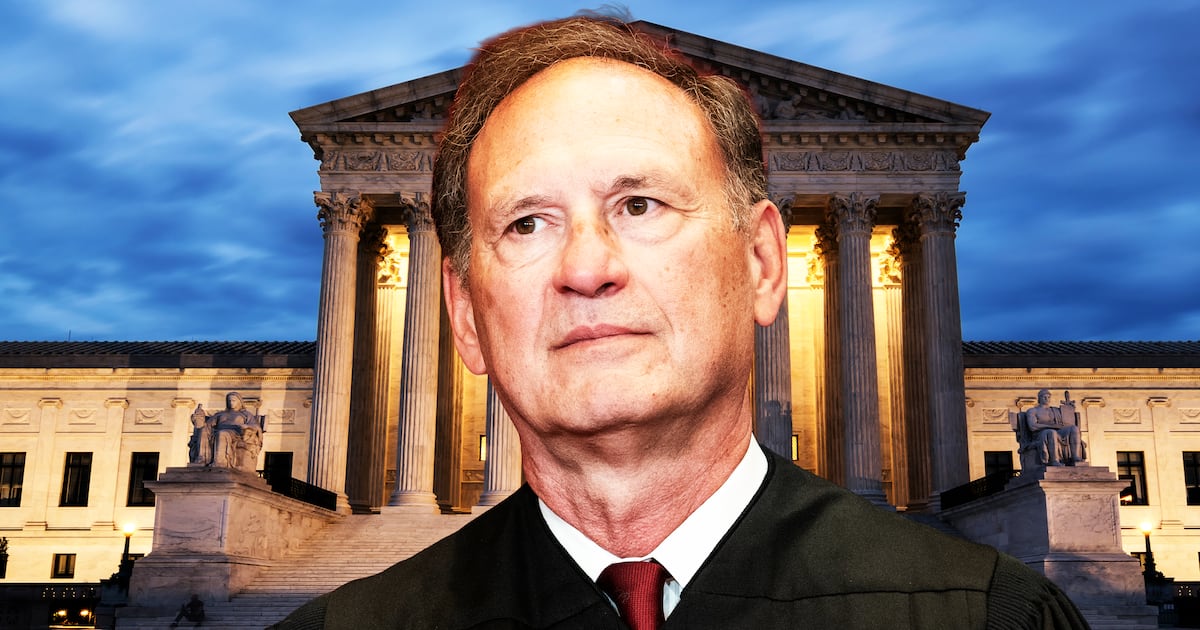
Chief Justice John Roberts has begged furious SCOTUS critics to back off.
Roberts, fresh from riling voters by helping to gut the Civil Rights Act, made his plea at the Third Circuit Bench and Bar Conference in Pennsylvania on Wednesday.
Pushing back at the suggestion that he and his colleagues are “purely political actors,” he said, “We’re not simply part of the political process, and there’s a reason for that, and I’m not sure people grasp that as much as is appropriate.”

Roberts, who was nominated to the Supreme Court by George W. Bush in 2005, pointed out that a line is crossed when critics’ attacks become personal. “There is a point where it changes from criticism of the opinion to criticism of the judge, and it can lead to some very serious problems. As soon as you personalize, it can become problematic.”
“There’s a lot of hostility that’s publicized about judicial decisions and which judge wrote those decisions,” he said. “I think we have to be a little more careful and make sure people, to the extent you can, are more careful about that.”
The chief justice added, “I think considered criticism is a very good thing. You hope it’s intelligent criticism, but it doesn’t have to be. It’s a free country, and I certainly don’t object to it, and I don’t think my colleagues do either.”
The court faced a storm of criticism earlier this month when the U.S. Supreme Court voted 6-3 along partisan lines to blow apart the Voting Rights Act, the landmark civil rights law that has restricted racial gerrymandering and racial discrimination in voting for 60 years.
Conservatives on the court struck down Louisiana’s congressional map, which had been redrawn following lower courts’ findings that the state’s original post-2020 census map likely diluted Black voting power.
Roberts didn’t specifically address that issue, but the Voting Rights Act decision caused considerable ire. “Republicans have concluded that they need to cheat to win, and the Supreme Court conservatives have decided to aid and abet their scheme. Democrats are going to fight back with every tool available,” House Minority Leader Hakeem Jeffries told Politico after the decision.
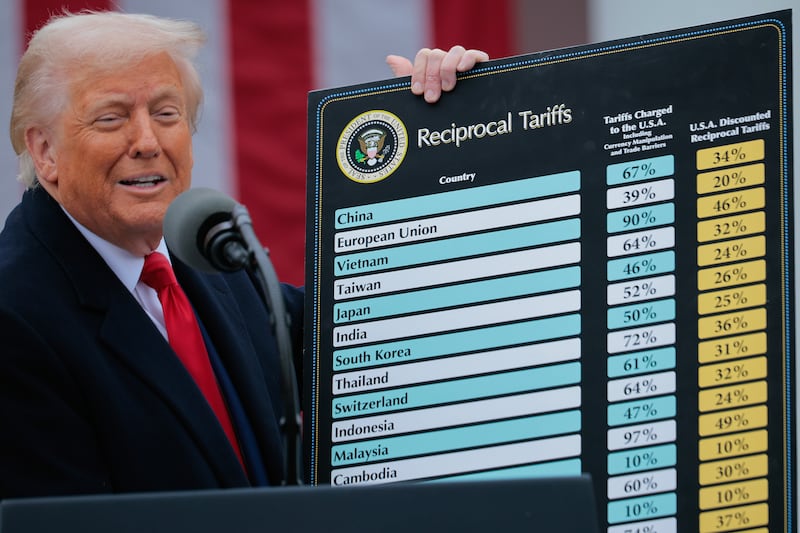
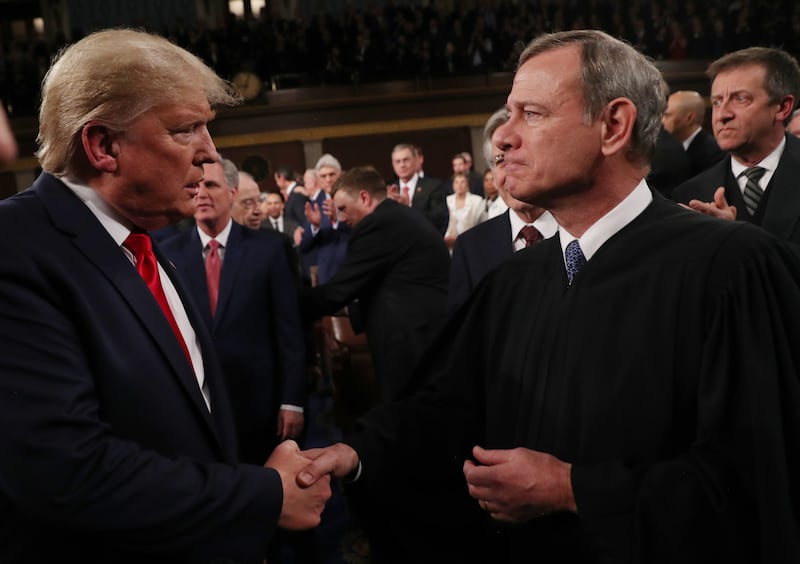
The SCOTUS doesn’t always appease Trump. In February, six justices, including Roberts, handed the president one of the biggest setbacks of his second term by striking down his administration’s global tariffs.
This earned a stern rebuke from Trump. “They’re just being fools and lapdogs for the Rhinos [Republicans in Name Only] and the radical left Democrats,” he said, using a disparaging term for Republicans deemed not sufficiently loyal to GOP interests.
He made it personal, too. “It’s an embarrassment to their families, to one another,” Trump said after he was asked if he regretted appointing Justices Neil Gorsuch and Amy Coney Barrett.