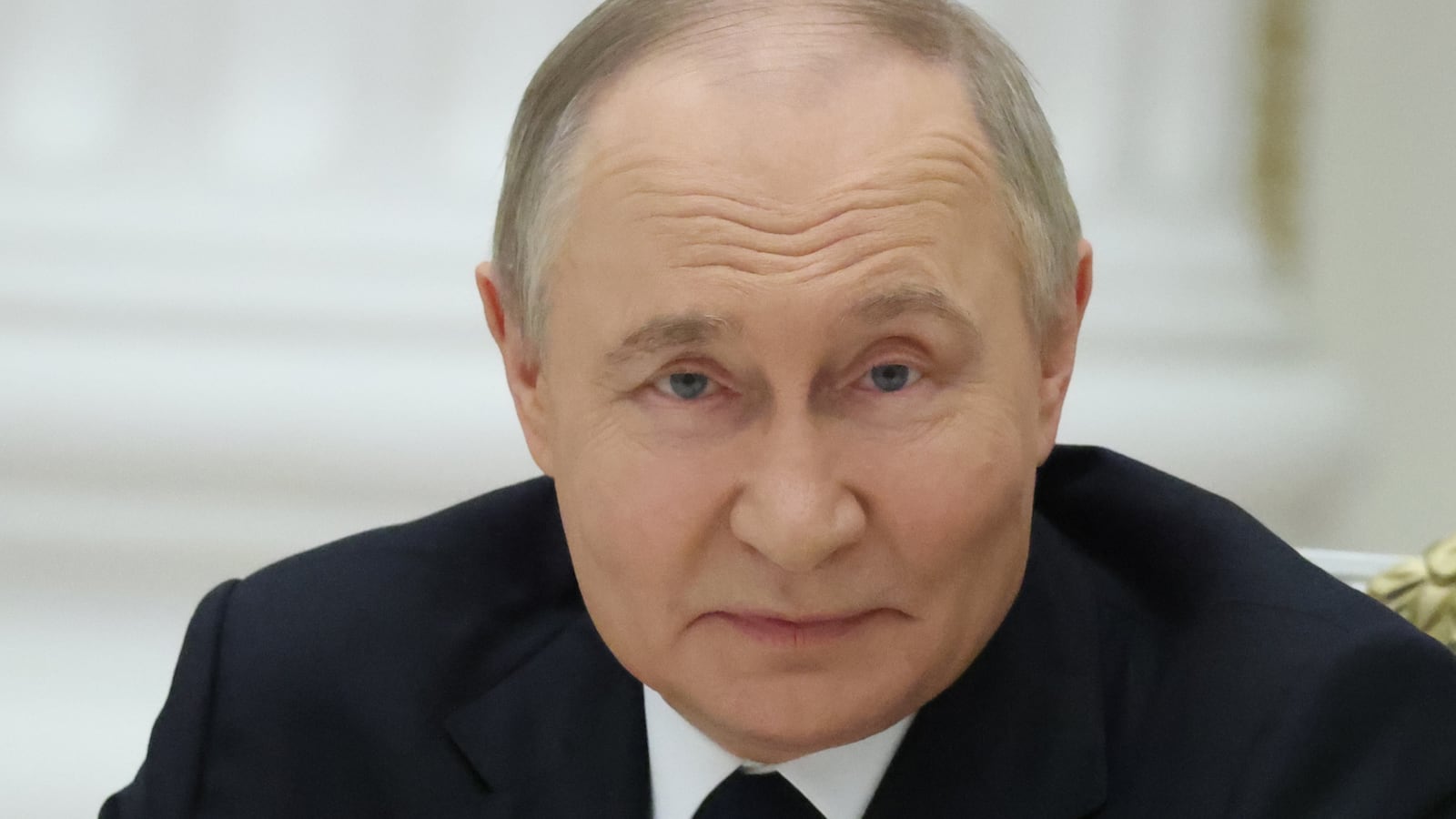
Vladimir Putin is increasingly leaning on the FSB to run the country.
Sources close to the Kremlin revealed that the 73-year-old president is tasking his security service with keeping control of the nation as the war in Ukraine goes from bad to worse.
The move has sparked unease among Russia’s elite and middle classes, with the possibility of heightened oppression appearing more and more plausible.

The sources told Bloomberg that while Putin had once favored a balance between hardline security advisers and moderate, economically focused aides, he is now abandoning the latter.
As such, the sources said that former KGB agent and FSB boss Putin appears to be embracing those in favor of stringent control, meaning the FSB’s influence is growing.
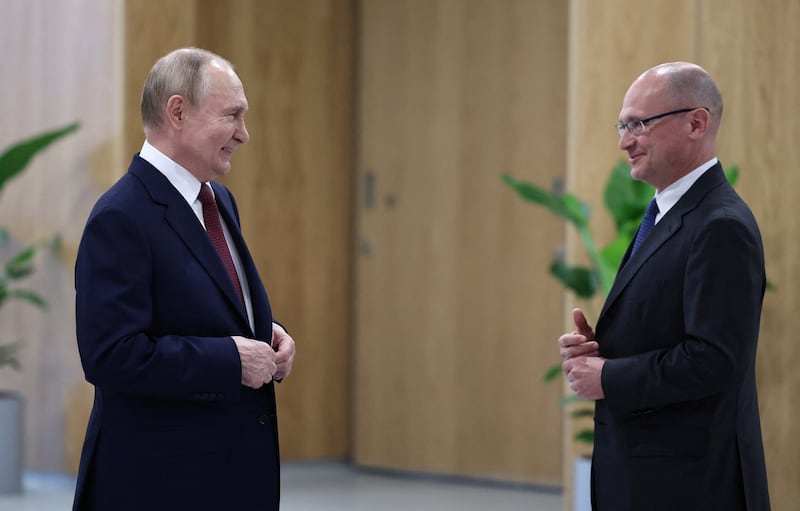
Bloomberg reports that this is also coming at the expense of business and society-minded advisors like Putin’s policy chief Sergei Kiriyenko, whose power is waning.
An example of the shift can be seen in the allegations against billionaire Telegram co-founder Pavel Durov, who has been charged with terrorism. His plight, the sources say, shows that greater repression is already at hand.
The charges center on claims that the social media platform has become a hotbed of Ukrainian secret service recruitment. The FSB said in a statement that the app had been used “to prepare and coordinate acts of sabotage and terror,” the BBC reports.
“The FSB has become the management company of the country,” Moscow-based Andrei Kolesnikov told Bloomberg. “The political administration, the Foreign Ministry, and the financial-economic bloc have been reduced to mere technical staff serving decisions made with a secret-service bias.”

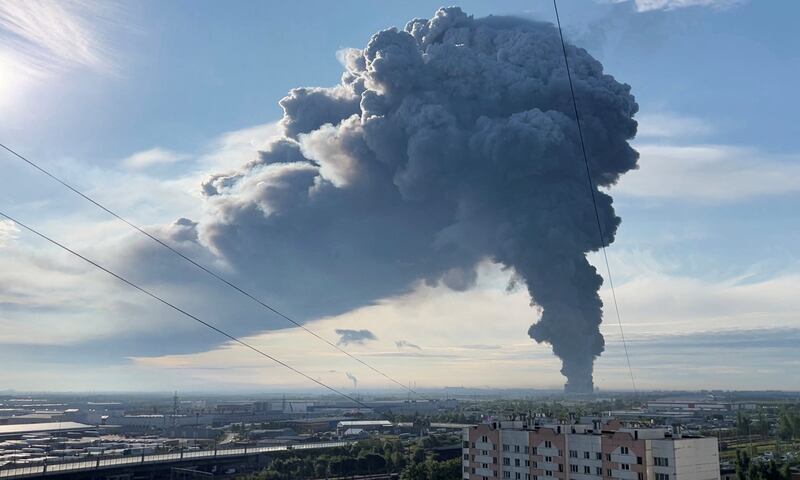
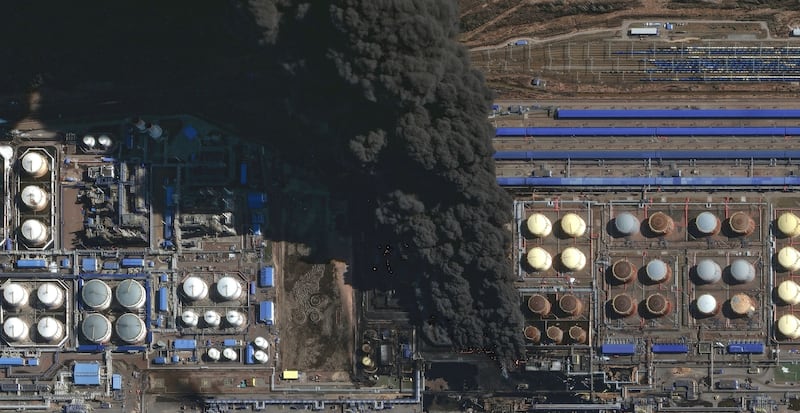
Putin’s reliance on security forces comes as Ukraine turns the pressures of the war back onto Russia. The summer has seen Kyiv step up a stunning blitz on Russian energy and logistics hubs, devastating oil refineries and sending sprawling e-commerce warehouses up in smoke.
It has changed the narrative of the war for the people of Russia too, who previously had only had to think about fighting far away. Now drones buzz overhead and smoke looms above their towns and cities.
A survey from July found that Russians’ approval for the war is diminishing, now at 50 percent.
Moscow-based Levada Center released the numbers Thursday, revealing that they were down 19 points compared to the same time last year.