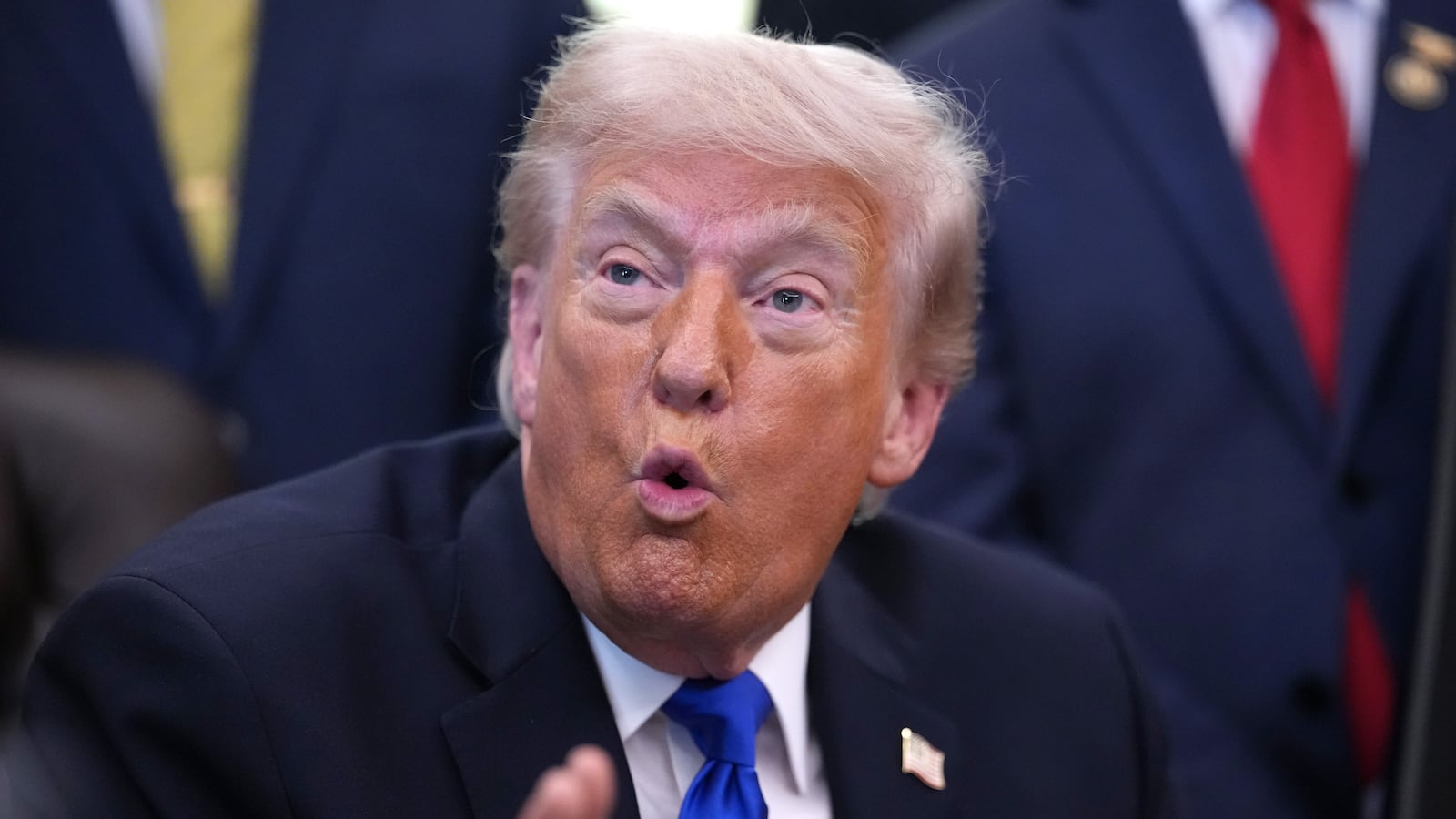
President Donald Trump could face a major international embarrassment in the coming weeks over his war with Iran, a political scientist has claimed.
The 79-year-old president sought to cast himself as a peacemaker on Sunday, announcing a “humanitarian gesture” to help guide stranded ships out of the Strait of Hormuz, the key waterway the U.S. has blockaded amid its standoff with Iran.
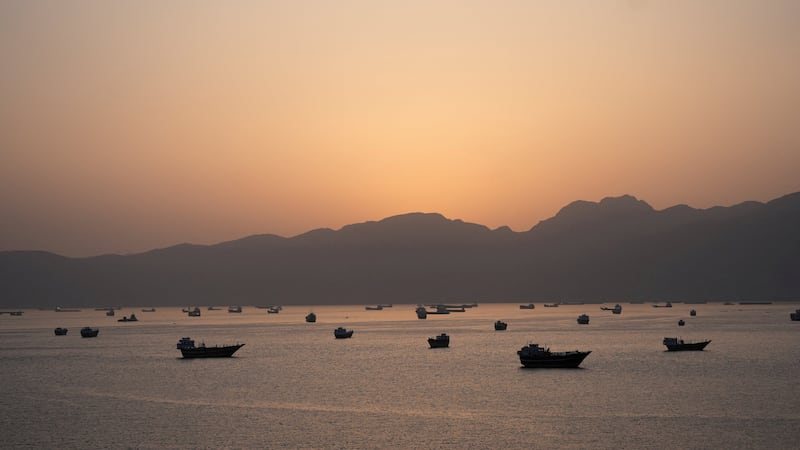
Since the conflict began on Feb. 28, hundreds of vessels and around 20,000 seafarers have been stranded in the Persian Gulf after the Strait was effectively shut down, triggering a global oil crisis.
Many ships are reportedly running low on food and other necessities.

Trump described the conflict as a “Middle Eastern dispute” and said the operation—dubbed “Project Freedom”—would “free up people, companies, and countries that have done absolutely nothing wrong,” calling them “victims of circumstance.” He added the effort would show “goodwill” after months of fighting.
But Robert Pape, a professor of political science at the University of Chicago, wrote in a Substack post that Trump “made a public bet” with his decision, which could end in “humiliation in full view of the world” for the president.
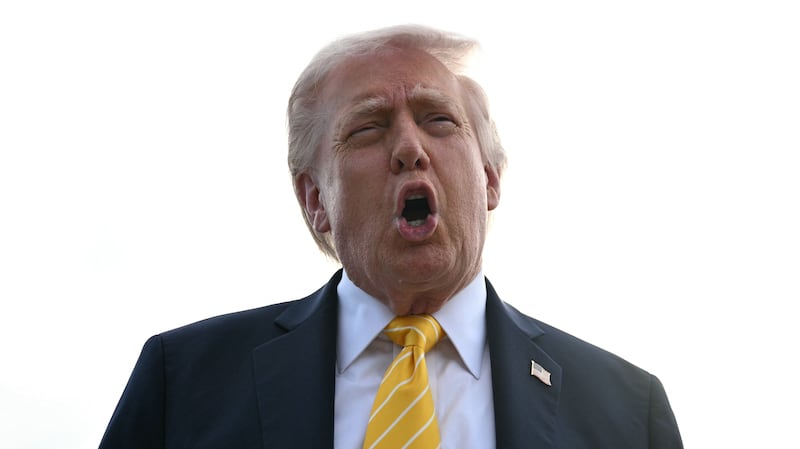
“He is betting that Iran will not strike a ship under American protection. If Trump wins the bet, the United States stabilizes the corridor,” Pape wrote.
“If it fails even once, Washington must escalate—or accept humiliation in full view of the world.”
Pape added: “By sending escorts, the United States has made itself directly responsible for keeping the corridor open.

“The moment a U.S.-escorted vessel is hit—by a missile, a drone, or even a proxy—the burden shifts entirely onto Washington. Back down, and every ally sees it. Escalate, and the war widens under worse conditions than at the start.”
“This is no longer just about defeating Iran,” Pape wrote. “It is about avoiding a visible loss of global control, with U.S. loss of authority in Europe, the Gulf and Asia.”
“The United States is undertaking a humanitarian initiative to restore freedom of navigation for commercial shipping in the Strait of Hormuz, while maintaining a successful naval blockade on Iranian ports, asserting the United States’ dominance over the waterways,” White House spokesperson Olivia Wales told The Daily Beast.
“While Iran chose to attack innocent commercial vessels, the United States is assuming the risk on behalf of the international community to defend international commerce and guide stranded ships safely through the strait. The United States continues to take bold action to benefit the entire world like no other country can.”
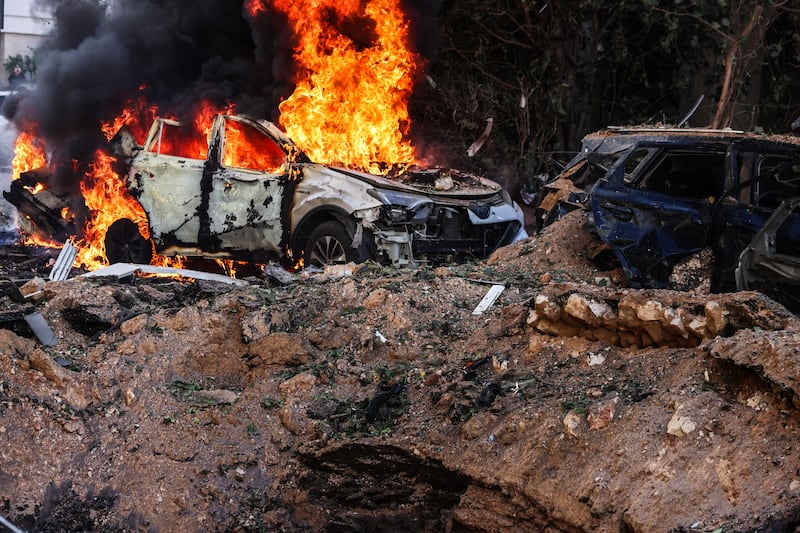
Following Trump’s weekend announcement, Tehran issued a stark warning, saying it would target any U.S. vessel that moves toward the area.
“We warn that any foreign armed force, especially the aggressive U.S. army, will be attacked if they attempt to approach and enter the Strait of Hormuz,” the Iranian military said in a statement released on Monday morning.
Iran’s semi-official Fars news agency claimed Monday that a U.S. vessel had been struck by two missiles near the port of Jask at the southern entrance to the Strait of Hormuz. A U.S. official denied the report, according to Axios journalist Barak Ravid.
At the same time, U.S. officials appeared to walk back the president’s description of the operation.
In comments to both The Wall Street Journal and CNN, officials said the plan does not involve Navy warships escorting ships through the strait, with one official stressing it is “not an escort mission.”
Instead, U.S. forces would remain “in the vicinity” to monitor tanker movements, according to Axios.