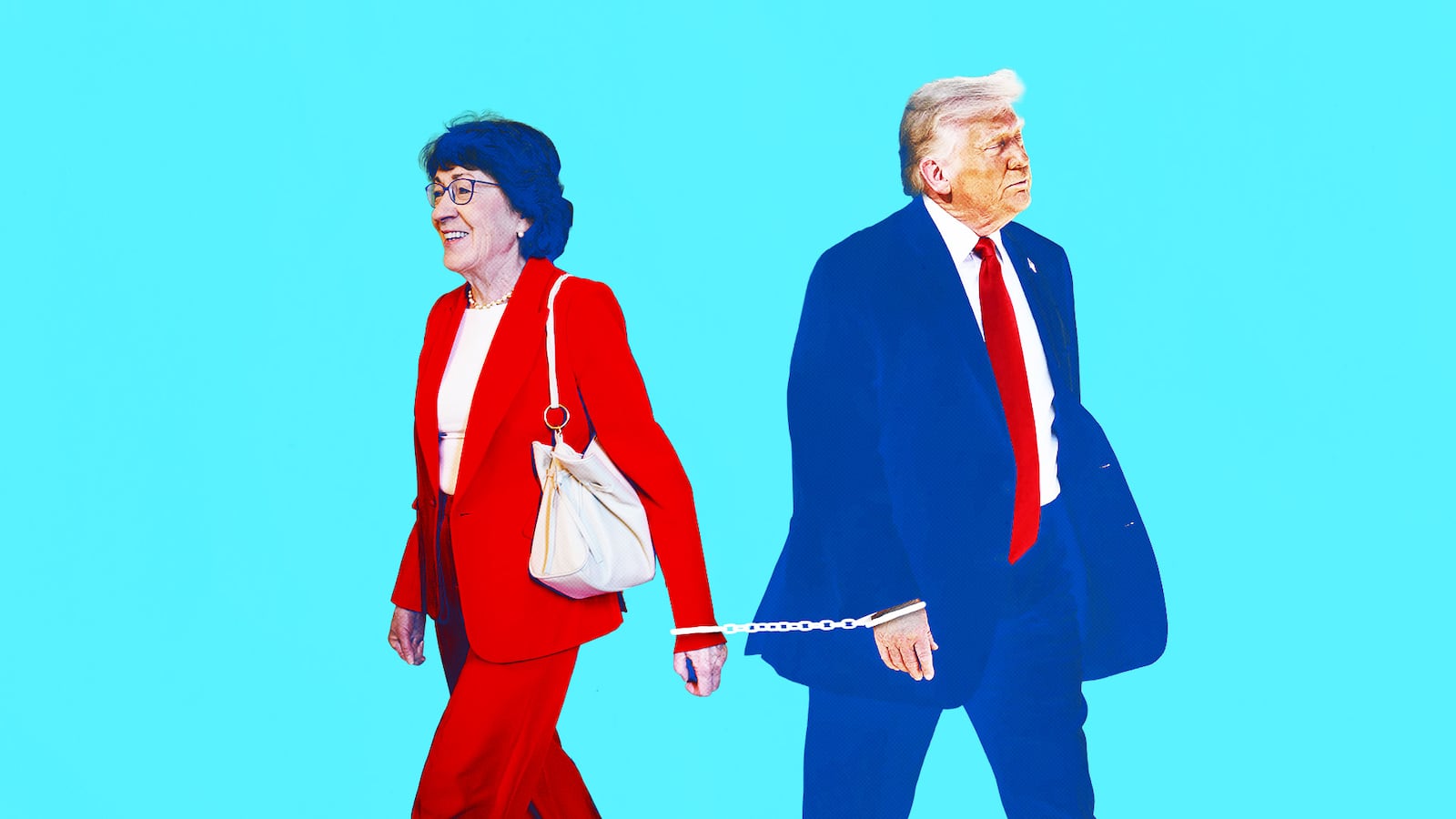
Maine Senator Susan Collins’ re-election chances appear to be on shaky ground—the 73-year-old is trailing her Democratic opponent Graham Platner in current polls by as much as nine points.
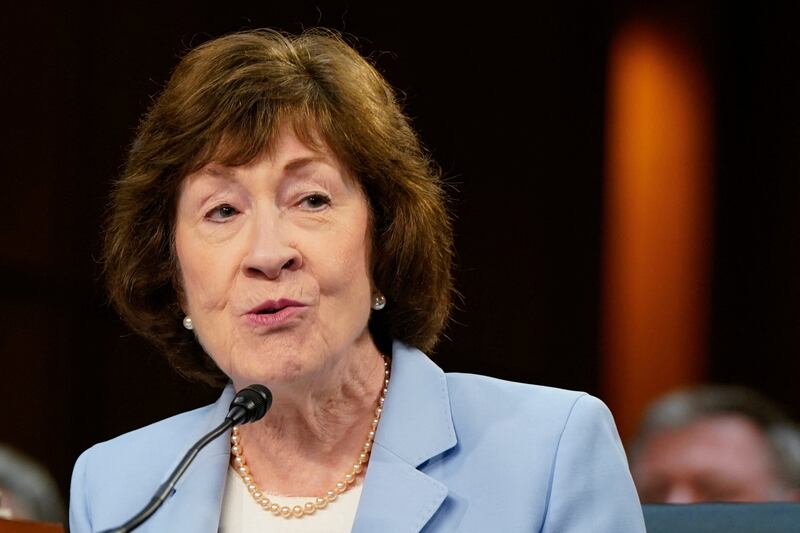
And the race, as well as broader conversations about gerontocracy in government, has brought to the forefront the fact that Collins has been shaking, literally, for decades. Her voice. Her hands. Her posture.
It has all become impossible to ignore.
So this week, Collins addressed her diagnosis—a benign essential tremor—with a local news outlet, noting that she has had the condition for years and asserting that it has no impact on her job. Still, the tremor wasn’t a secret she chose to reveal. It was dragged into the open by reporting on a viral campaign ad, the kind of commentary and exposure that made denial not just implausible, embarrassing and impossible.
Sure, politicians hide things all the time. Secrets in their personal lives and their finances, for starters. Paramount among those secrets are health issues.
Nothing scares a voter more than the thought that their representative—or their president—is on the way out. And nothing scares a politician more than to be perceived as weak or sick. Just ask Joe Biden.
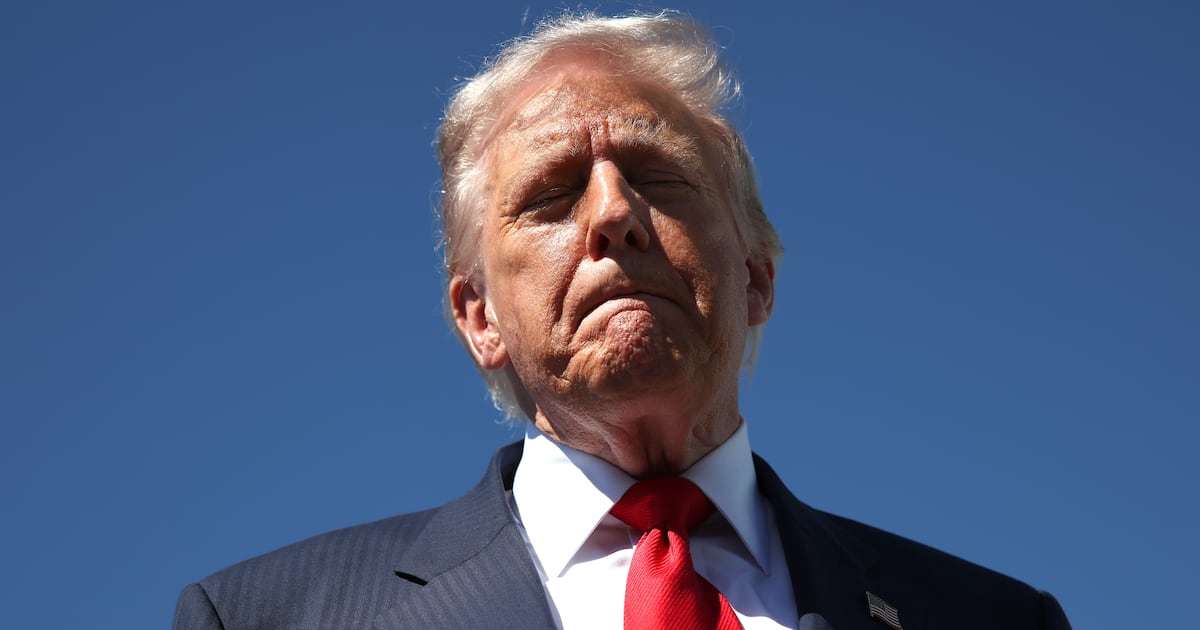
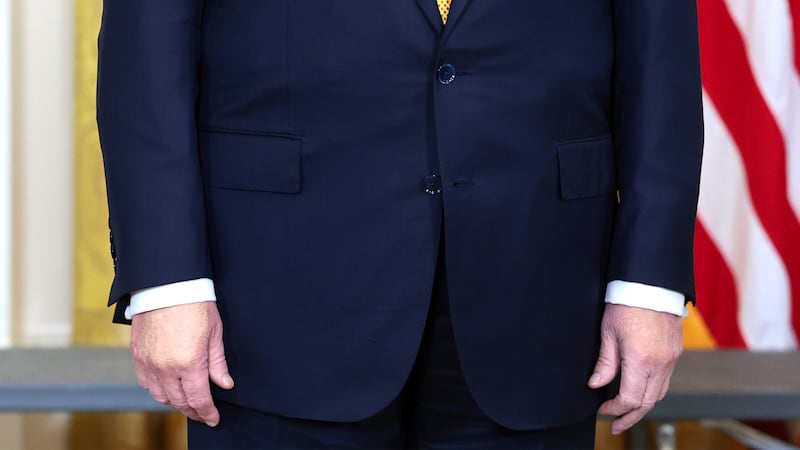
The same day Collins was forced into her reluctant confession, a video of Donald Trump at a White House event surfaced showing both of his hands caked in makeup. It was mortifyingly thick, mismatched, a conspicuously sloppy paint job that didn’t come close to matching the skin on the 79-year-old’s face or wrists.
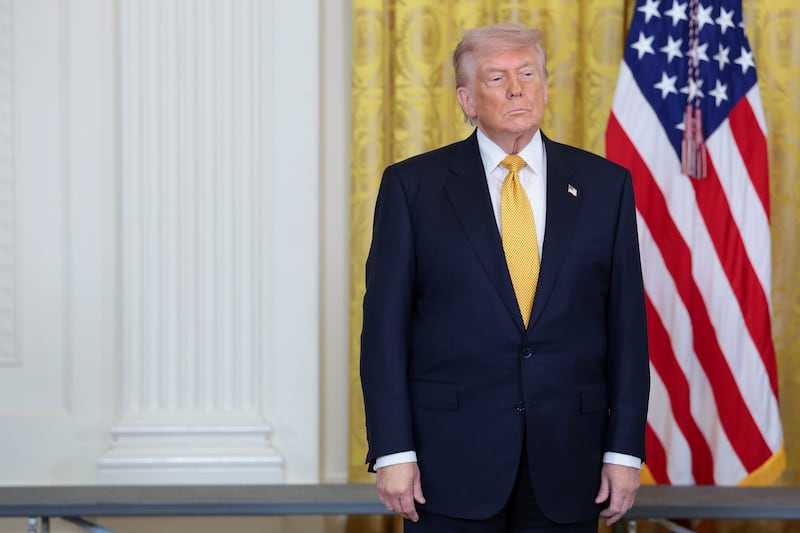
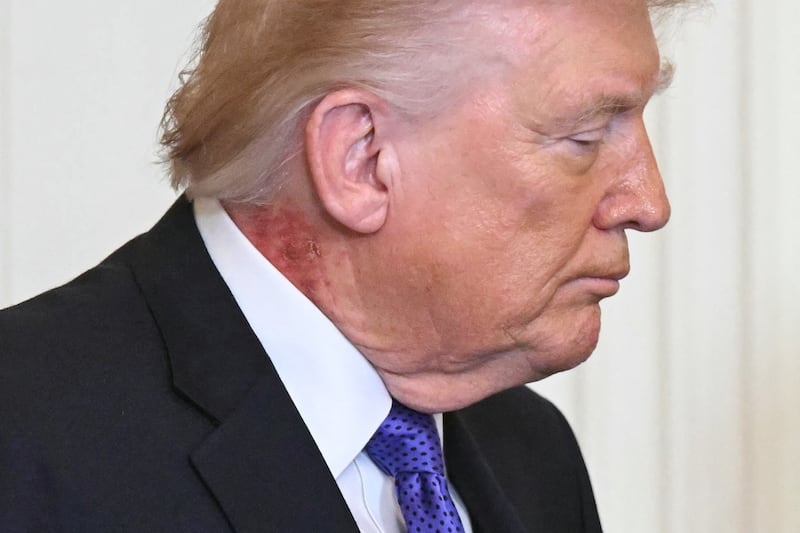
The White House, of course, hasn’t explained it—when pressed on previous instances in which the president has appeared with visible bruises on his hands, the excuses ranged from too much handshaking to too much aspirin. In March, the White House attributed the red rash on President Trump’s neck to a "very common" skin cream being used for an unspecified, minor skin treatment. And last year, they copped to admitting that Trump’s cankles were linked to chronic venous insufficiency, a condition he was diagnosed with in 2025.
Even with all of these issues, Trump is still being portrayed by his communications team and doctors as miraculously hale and hearty. His former White House physician, Rep. Ronny Jackson, has described him as the “healthiest” U.S. president in recent years. It’s enough to make you pause for a second and wonder if the MAHA moms might be onto something with their distrust of all things doctors. (Well, just this once. And not for the reasons they think.)
But unlike whoever was in charge of the foundation choice, the internet and social media took notice, igniting another round of speculation over what many see as Trump’s deteriorating health. The pictures and the evidence are obvious.
Like his predecessor, whom Trump habitually maligns, the president is showing signs that something is wrong, and that it’s being (poorly) managed, covered up, or minimized by the people around him.
It’s the latest chapter in what has become a depressingly familiar American story: an elderly politician and their staff conspiring, sometimes intentionally, sometimes out of blind loyalty, to keep voters in the dark about health realities that are, in fact, the public’s business.
Senator Mitch McConnell, 83, has been seen stumbling, falling, and freezing in public on multiple occasions; 88-year-old D.C. delegate Eleanor Holmes Norton was described in a police report filed last October as exhibiting “early signs of dementia.” Texas Rep. Kay Granger had been living in a senior care facility for months before her retirement in 2024, also suffering from dementia, and missing critical votes. The public learned about this only after she left office. Until then, Granger’s staff explained her absence from Washington, D.C., by saying she faced “unforeseen health challenges” that made travel difficult.

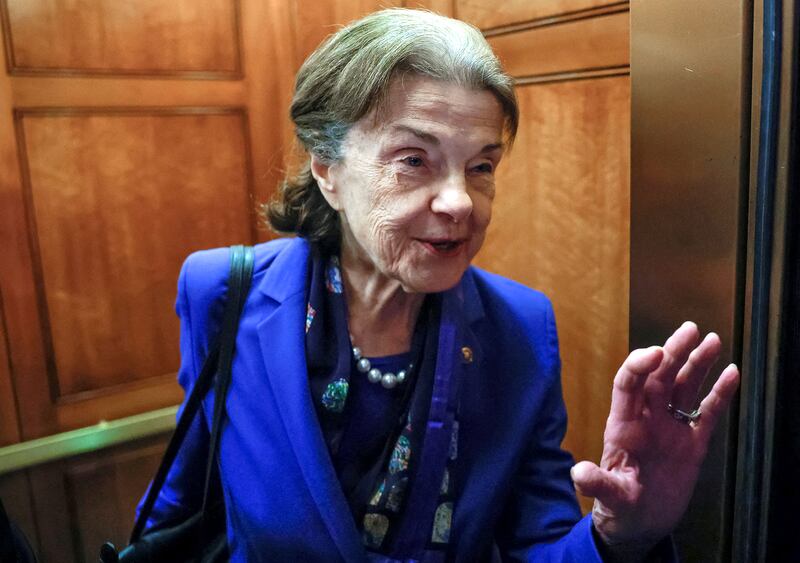
The most prominent politician to try to hide obvious health issues was the late California Sen. Dianne Feinstein. Her staff and aides engaged in extensive efforts to manage her public image and maintain the functionality of her office despite her precipitous decline, shielding her from the press and tightly managing her appearances while she experienced significant cognitive and physical issues. She died in office at 90.
(Several other members of Congress have also died while in office in recent years, like Congressman David Scott, following widely reported, yet officially unconfirmed “open secrets” about their health struggles.)
Then there’s Republican Rep. Neil Dunn, whose terminal heart disease diagnosis wasn’t broken by a doctor, a family member, or even a leak. It was accidentally revealed by Trump himself at a press event, blindsiding House leadership, which was then forced to admit the news “wasn’t public.”
The irony was rich: Trump, who hides his own health issues, was spilling tea about someone else’s.
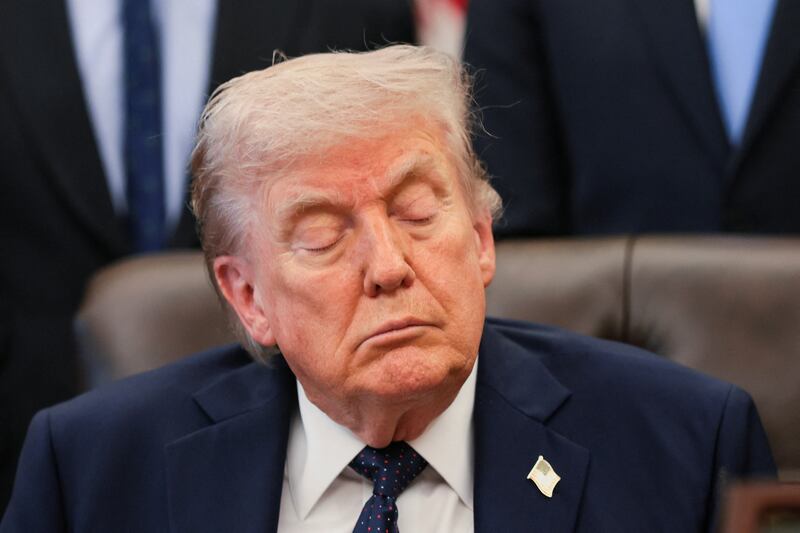
Is it any wonder voters have stopped believing the “glowingly healthy” memos that have served as metaphorical band-aids for serious afflictions for years? The pattern is always the same: deny, deflect, attribute symptoms to something benign, and run out the clock until the body crumbles in broad daylight.
Here’s the thing about being near 80: you do not suddenly get better. Things only get worse. The body doesn’t reverse course. It accumulates and accelerates health problems. Trump’s bruising, or whatever underlying condition is causing it, is likely to worsen. His cognitive frailties are not going to sharpen with age.
This makes the attempts to conceal reality much more difficult. They require more excuses, more loyalty, and metaphorically, in Trump and Collins’ cases, more hands. More people to explain it all away.
What Collins’ admission exemplifies is that the day of reckoning is coming for Trump and the secrets surrounding his health. And based on his visible decline, the pattern of deception, and every precedent in recent American political history, that reckoning will happen soon, and not on his terms.