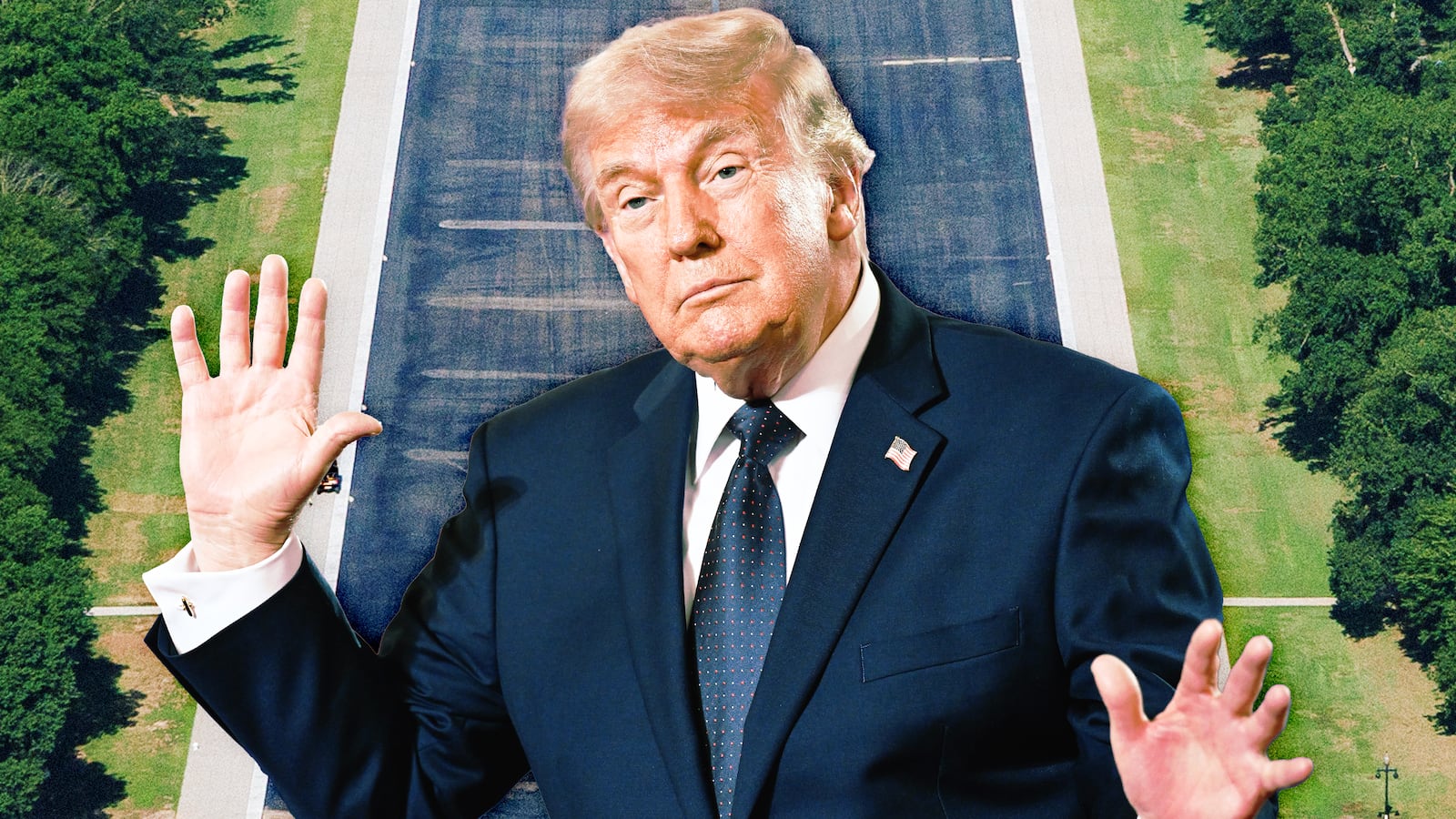
President Trump’s decision to nominate Dennis Kirk to serve as Inspector General of the Department of the Interior is a profound mistake. His appointment will drain the department’s credibility more quickly than it seems able to drain the Lincoln Memorial’s Reflecting Pool amid the controversial renovations he’ll likely have to investigate, and undermine independent oversight at a moment when the department desperately needs it.
Kirk is not an experienced auditor, investigator, prosecutor, or oversight professional. He is a partisan operative who was an architect of Project 2025, a political initiative and policy playbook published by The Heritage Foundation. President Trump had already installed Kirk as a “special advisor” inside the Office of the Intelligence Community Inspector General, a position akin to a government minder straight out of Russia or China—or even a mole. This was a wholly unprecedented move; in my 20 years in the oversight business, including serving as an Inspector General and Chair of the Council of Inspectors General, I have never ever heard of anything like it. I can only assume his role was to watch the office, and report back on purported “deep state” actors to the White House accordingly. The move drew criticism from lawmakers and watchdog advocates who argued that placing an administration official inside an independent oversight office risked blurring the line between those being investigated and those charged with conducting the investigations.
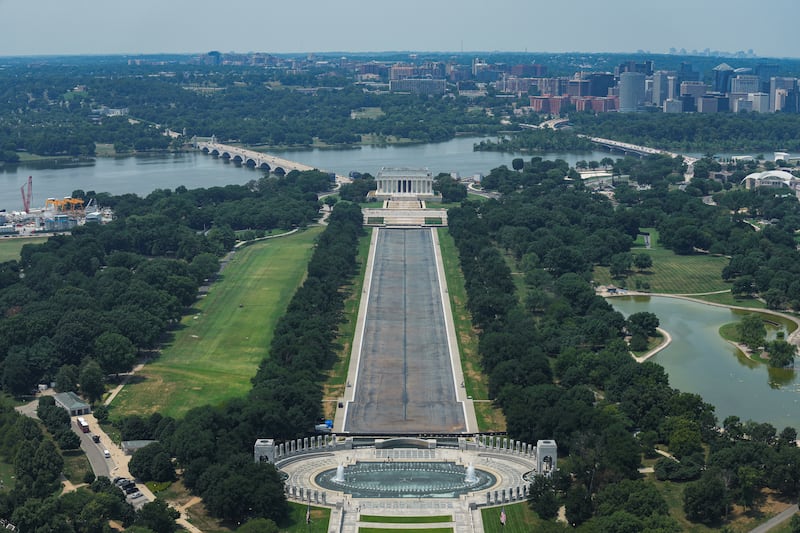
Now, the administration has done it again. And the timing could hardly be worse. The Interior Department currently faces serious oversight questions, including matters involving decisions and projects closely associated with President Trump and the White House. The controversy surrounding the Reflecting Pool (in which the administration botched the contracting for the repairs, made seemingly false claims that an American vandalized it, and then bungled the prosecution to the point that they had to withdraw it entirely) alone raises questions about contracting, project management, the expenditure of taxpayer dollars, a mishandled investigation and prosecution, along with alleged document destruction, improper use of Signal, and misrepresentations made by senior government officials. Democratic lawmakers have already called for independent scrutiny of the project from the Office of Inspector General.

But how can an Inspector General with close ties to the White House credibly investigate matters that may lead directly to administration officials? That question creates a problem regardless of what an investigation ultimately finds. (Kirk’s nomination alone gives the appearance that the administration is circling the wagons.)
The White House itself should want a genuinely independent inspector general for precisely this reason. Independent oversight does not exist simply to uncover wrongdoing. It can also exonerate officials incorrectly accused thereof. But those findings are credible only when the public trusts the person and institution conducting the investigation.
I know this from experience. I served as Inspector General of the Department of the Interior during President Trump’s first administration. One of the most politically charged matters my office examined was the clearing of Lafayette Park in June 2020; critics alleged that protesters had been forcibly removed by the U.S. Park Police so President Trump could walk across the park for an appearance at St. John’s Church.
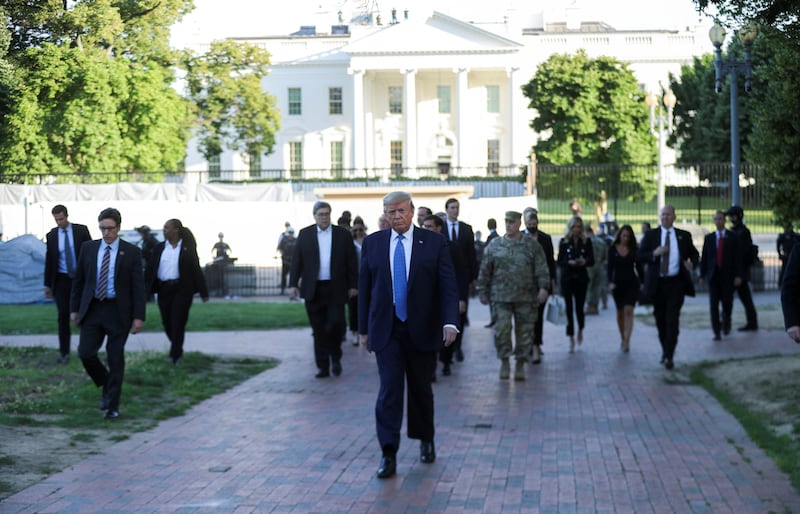
By the time we began our review, much of the country had already reached a conclusion about what had happened and why. But we did not set out to vindicate the president, or to condemn him. Rather, we followed the evidence, which our investigation found did not support the allegation. Our findings had credibility because our office was independent. But that kind of credibility will be extraordinarily difficult to achieve if Kirk is confirmed.
Public trust in government is already dangerously low. Installing a political figure at the head of an office specifically designed to provide independent oversight will further undermine that trust, and it risks tainting every major investigation or audit the office conducts before the first witness is interviewed or the first document is reviewed.
Congress has expressly required in the Inspector General Act that IGs must be appointed “without regard to their political affiliation.” But that appears to be Kirk’s most important qualification.
The Senate should reject his nomination—indeed, it must. It owes the American people an Inspector General whose independence is beyond question—someone they can trust to protect their tax dollars, expose wrongdoing, and hold government accountable regardless of where the facts lead.