
Far fewer women die from pregnancy and childbirth than they did just two decades ago. A report from the World Health Organization and the United Nations found that 287,000 maternal deaths occurred in 2010, half as many as in 1990. Yet for many women, childbirth is as dangerous as ever. Those who live in developing countries are more than 15 times more likely to die from complications.
I have been traveling the globe photographing birth and the culture of birth for six years. In January, I went to San Miguel de Allende, in the Mexican state of Guanajuato, to spend some time with midwifery students who are part of a government push to save the lives of moms and babies in rural areas. Mexico ranks 91st in the world in maternal mortality, with an estimated 85 deaths per 100,000 live births, according to UNICEF.
The CASA Professional Midwifery School teaches Western medicine while recognizing the cultural and medical significance of indigenous practices. Students come from all over Mexico and surrounding countries to participate.
After preparing public-health presentations to show rural mothers—hand-sewn model pelvises, breasts, and amniotic sacs—38 CASA students boarded a rundown bus and rode 32 hours from their school in San Miguel de Allende to the small Mayan town of Chunhuhub in the southern state of Quintana Roo. There, the students participated in an intercultural midwifery exchange. Traditional Mayan midwives demonstrated the use of herbal medicines, abdominal massage, and hammocks for birth. In return, the CASA students explained their approaches to neonatal resuscitation, postpartum hemorrhage, and prenatal care.
In my travels to the Dominican Republic, Nigeria, the Navajo Nation, and here in Mexico, I’ve seen how women can have meaningful experiences whether they give birth in operating rooms, hospital beds, or at home. When maternity care integrates midwifery and cultural traditions with doctor backup, women feel respected and heard while giving birth safely. CASA’s educational exchange is part of a recognition of midwifery’s potential to improve maternal health in Mexico.
Alice Proujansky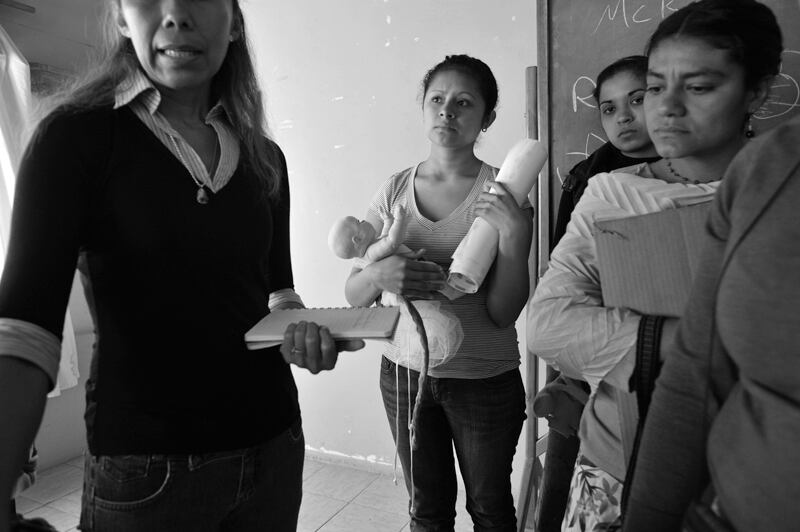
CASA Midwifery School students listen to instructor Xochitl in San Miguel de Allende, Guanajuato, before traveling to rural villages in order to learn traditional methods from traditional Mayan midwives and to teach them contemporary practices in exchange.
Alice Proujansky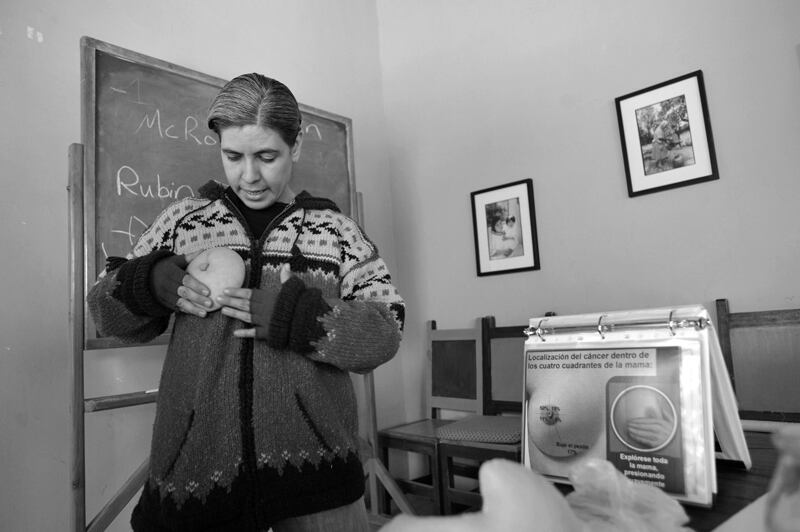
Midwifery student Ema Villanueva demonstrates a breast exam using a hand-sewn model. The CASA Midwifery School is Mexico's only government-recognized school for professional midwives. A pilot program's success in drastically reducing maternal mortality through the use of midwives led the Mexican government to recognize midwifery as a profession last year, allowing licensed midwives to work in government hospitals and potentially change the face of maternity care in the country.
Alice Proujansky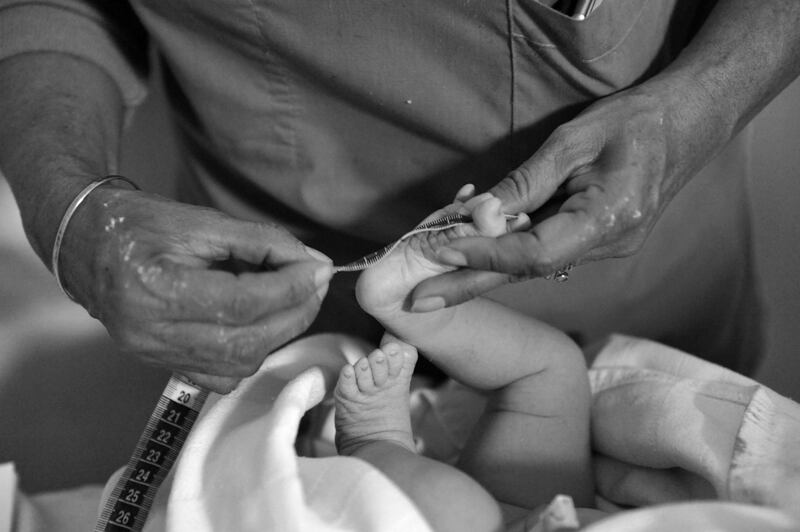
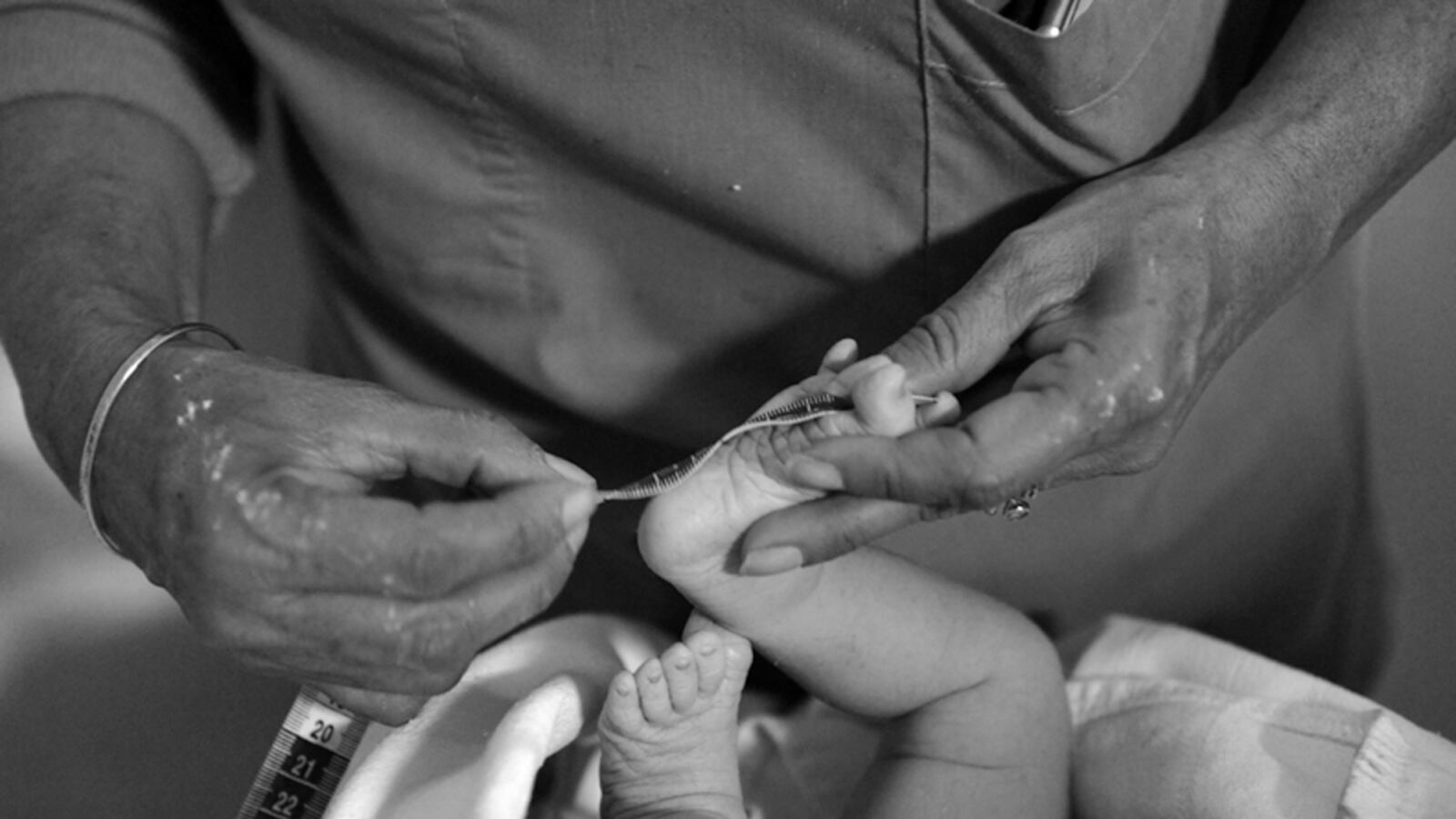
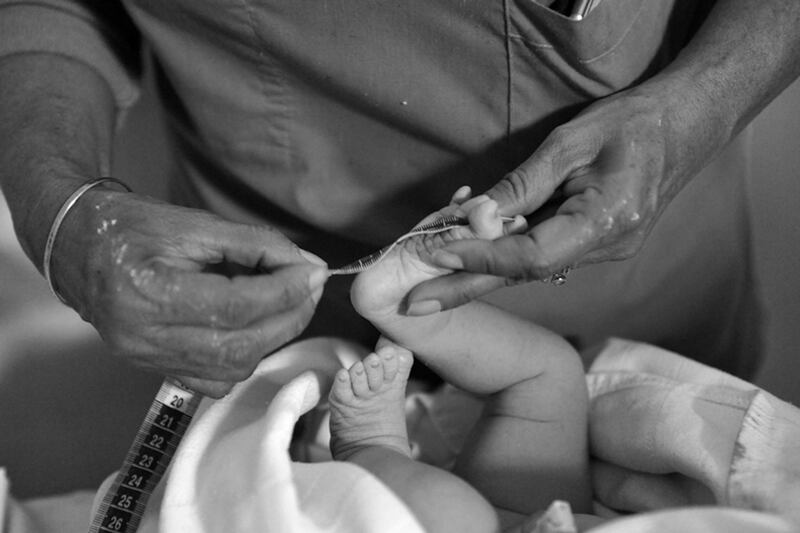
Traditional midwife Manuela Mendoza measures Paola Almanza Sanchez's foot immediately after her birth at CASA's hospital. The hospital allows mothers to hold their babies and breastfeed immediately after birth, increasing rates of successful breastfeeding and improving health outcomes for newborns.
Alice Proujansky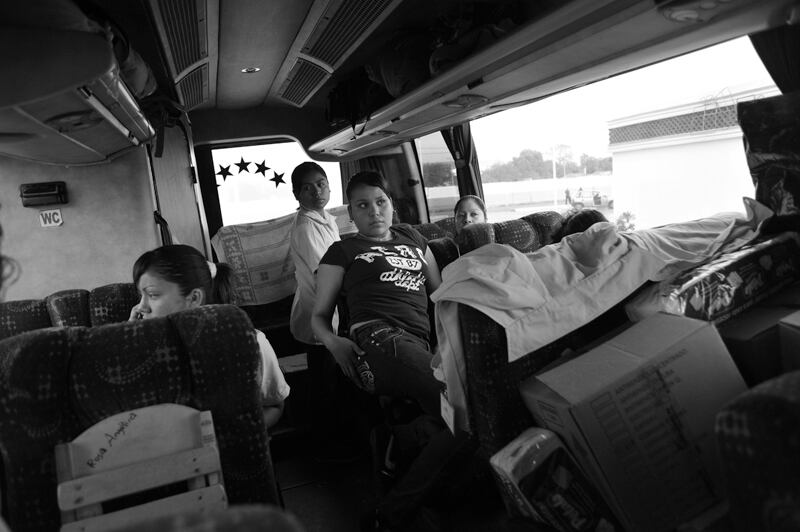
Midwifery students on the bus, traveling from their school in San Miguel de Allende to their visits with traditional midwives in the state of Quintana Roo.
Alice Proujansky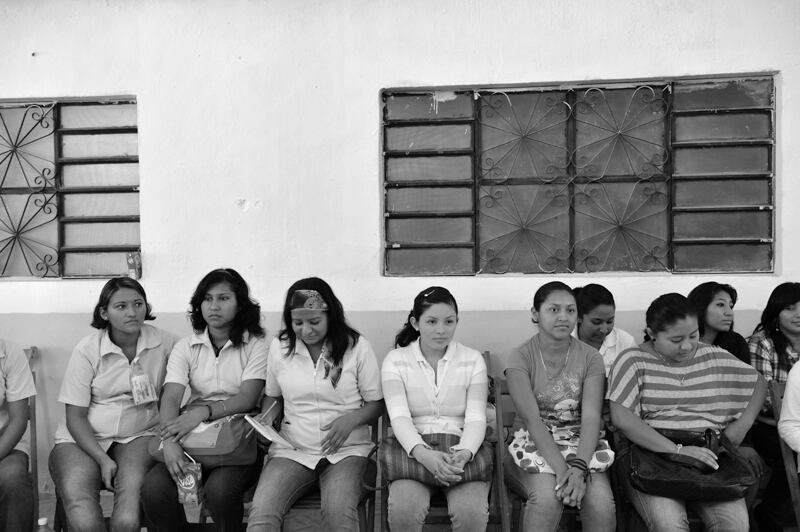
CASA Midwifery School students meet with public-health students from the Universidad Intercultural Maya de Quintana Roo.
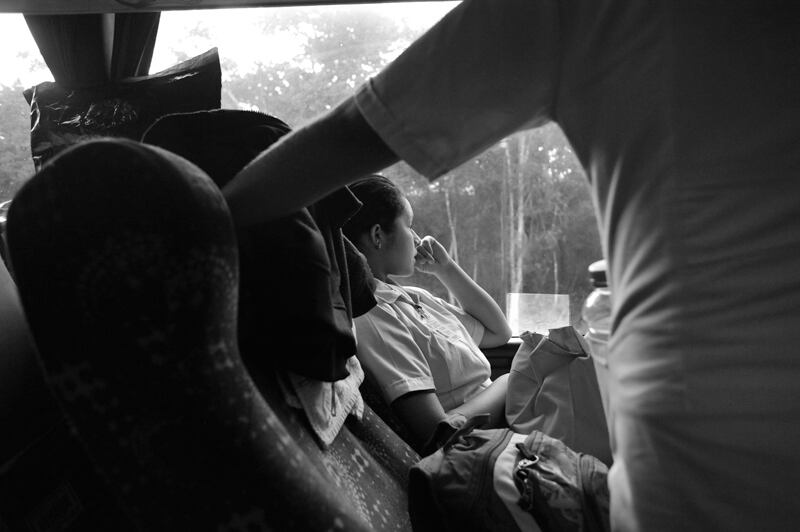
Midwifery student Faviana Perez Francisco, 17, looks out the window of the bus as CASA's students travel from their school in San Miguel de Allende to their visits with traditional midwives.
Alice Proujansky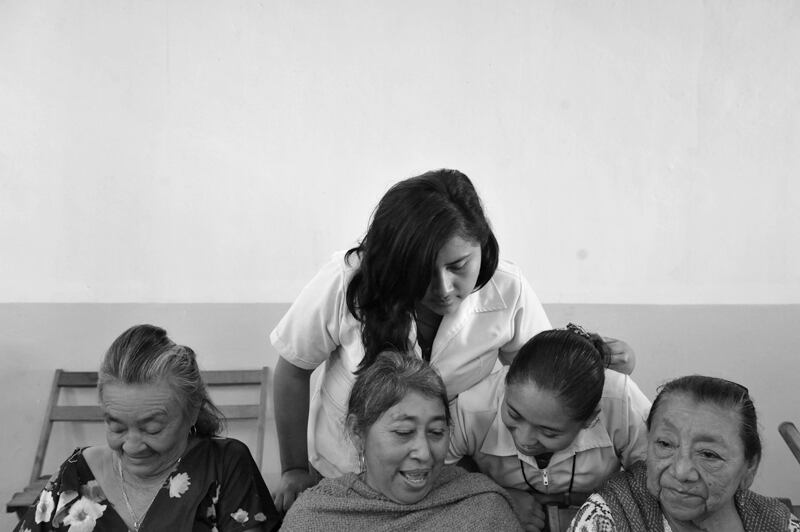
CASA students Blanca Estela and Maria Noemi Granados Huerta listen to traditional midwives at the Universidad Intercultural Maya de Quintana Roo.
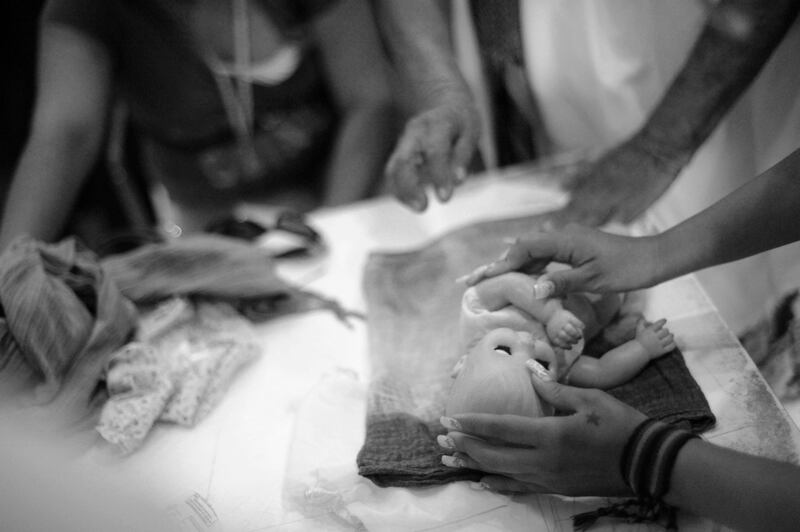
CASA students use a doll to demonstrate neonatal resuscitation to traditional midwives at the Universidad Intercultural Maya de Quintana Roo.
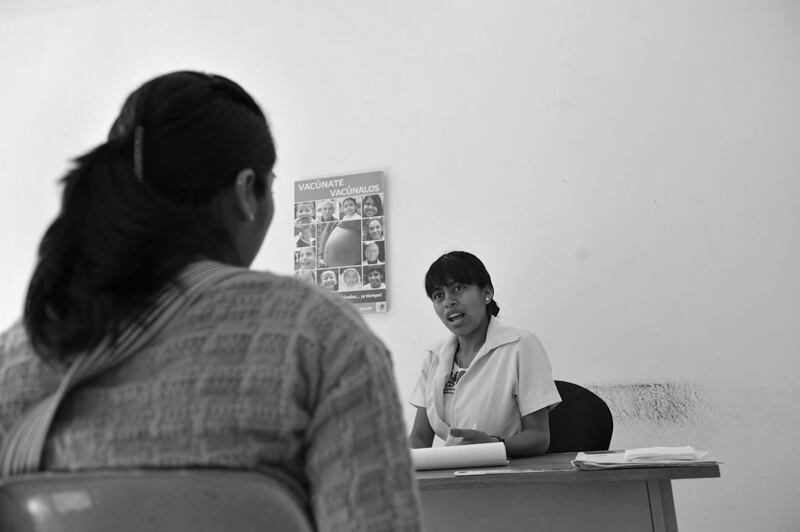
CASA student Elisa Mulato Perez performs a prenatal exam at the Chunhuhub Health Center as part of her school assignment.
Alice Proujansky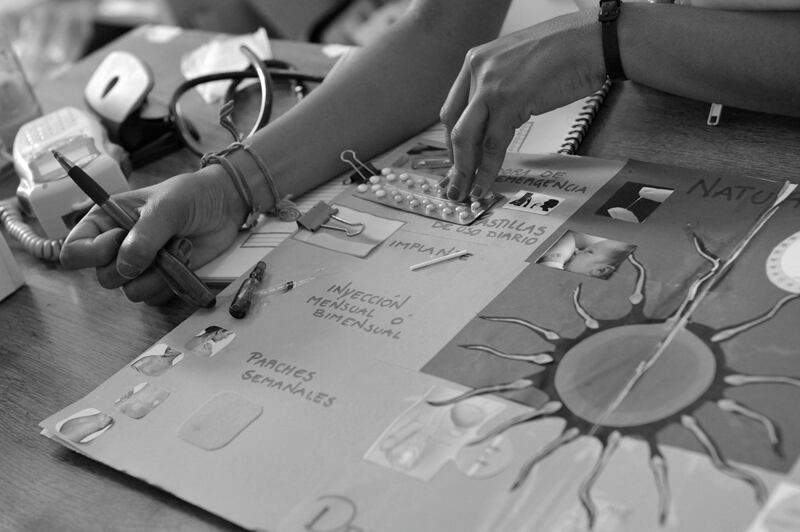
Student Elisa Mulato Perez explains birth control options at the Chunhuhub Health Center.
Alice Proujansky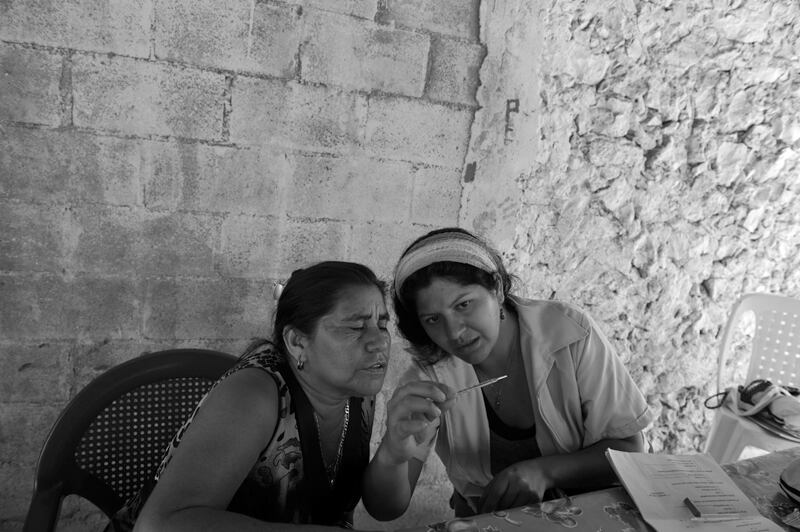
CASA student Carmen Susana Siavechay shows traditional Mayan midwife Elsa Gonzalez Ayala how to use a thermometer. The thermometer is part of a kit donated to the traditional midwives who hosted midwifery students.
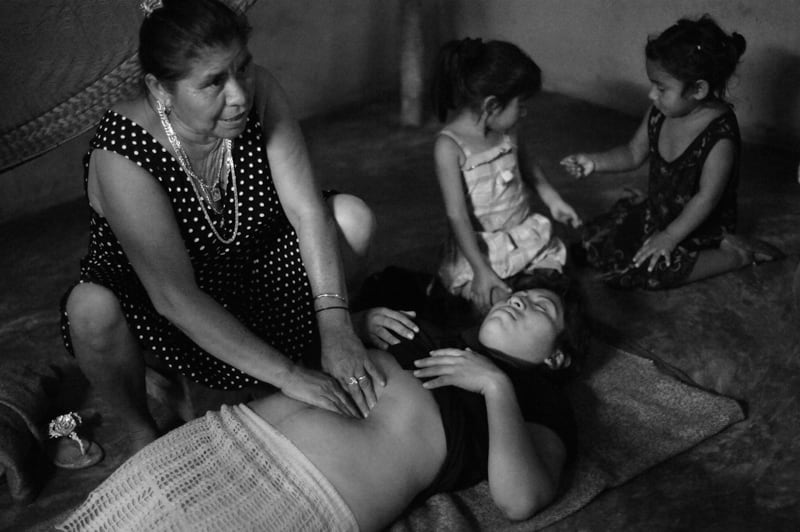
Traditional Mayan midwife Elsa Gonzalez Ayala shows CASA students how to perform a tallada—a traditional Mayan massage used to shrink a woman's uterus and reduce postpartum bleeding—on Nelsi Marvella Tuk Balam.
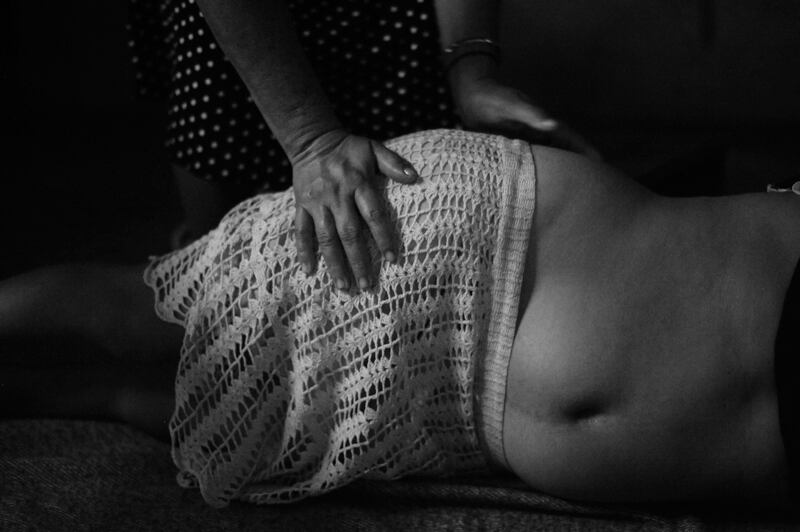
Traditional midwife Elsa Gonzalez Ayala performing the tallada massage.
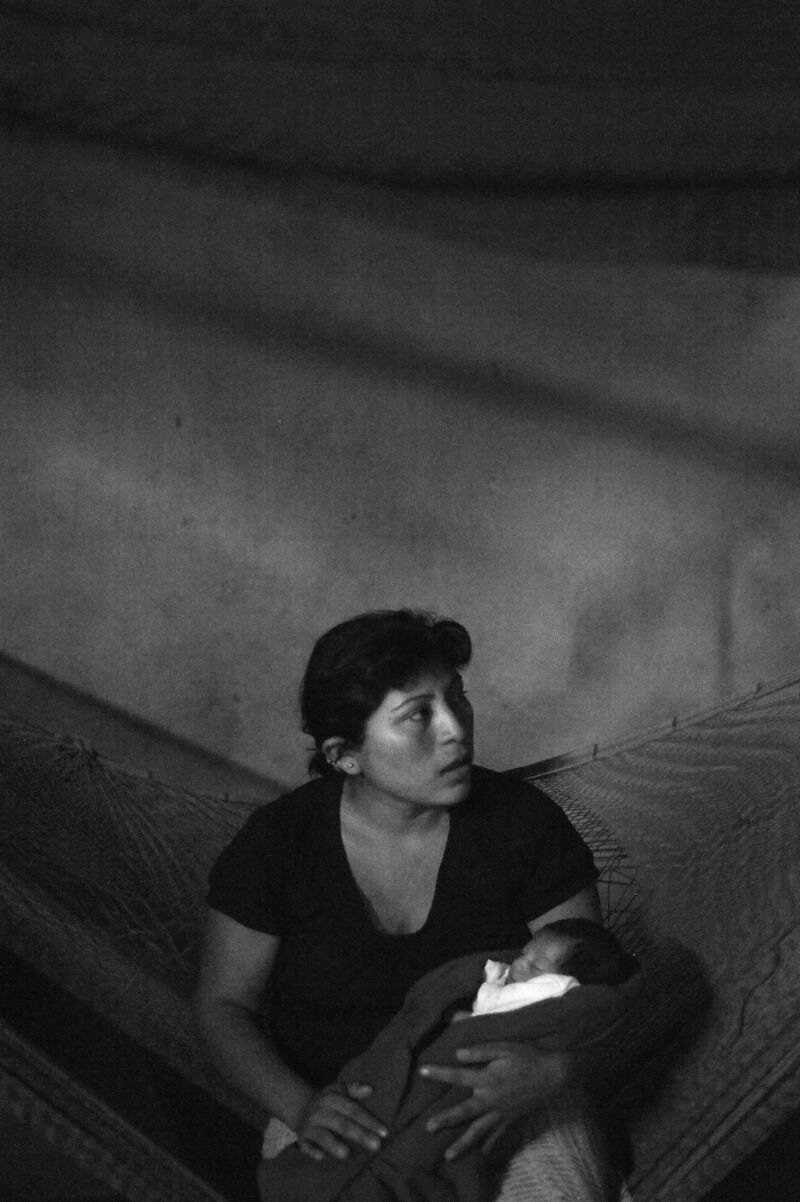
Nelsi Marvella Tuk Balam holds her week-old baby after receiving a tallada massage.