The Odyssey expert Emily Wilson isn’t finished slamming Christopher Nolan’s film adaptation.
Wilson, an esteemed classics scholar and translator of Homer’s The Odyssey, slammed Nolan’s blockbuster in yet another scathing op-ed in The Atlantic, after using her first to declare that she would have been “ashamed” to have written any part of the filmmaker’s script.
Emily Wilson, one of the foremost authorities on Homeric poetry and the first woman to translate The Odyssey into English, first harshly criticized the film in The London Review of Books, before discussing her gripes with the movie on NPR, and on her own social media accounts.
This time, Wilson wrote that Nolan’s Odyssey—which stars blockbuster stars Matt Damon, Anne Hathaway, Zendaya, Tom Holland, Charlize Theron, and Lupita Nyong’o—has “much less coherence and less heart” than other action-packed blockbusters. “It gestures at a critique of xenophobia and violence, but it focuses primarily on the perspective of the guilty, traumatized warrior rather than that of his victims,” she wrote.
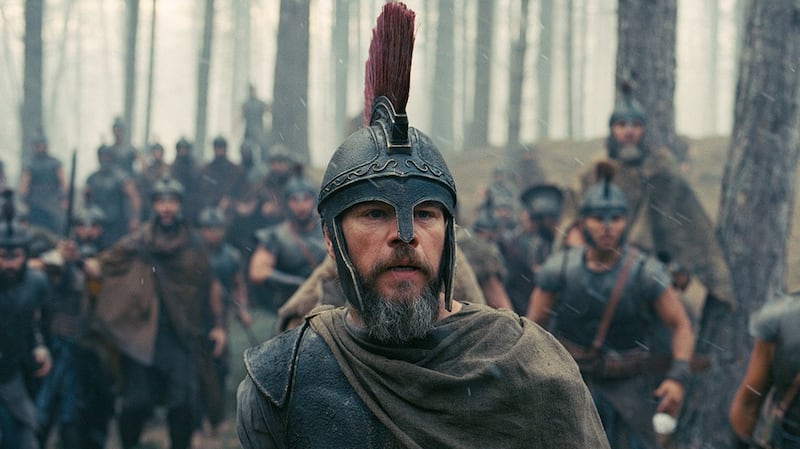
“Moreover, the movie’s devoted attention to mechanics, and its heedless willingness to give us massacres as spectacle, undermines its moralizing claims of caring about man’s inhumanity to man. Verbally, we are told that people matter; visually, we are shown that they do not.”
Despite arguing in her earlier essay that “Adaptations needn’t and shouldn’t follow the original with anything like the exactitude of a translation,” since “Some of the best radically transform or resist the source material,” Wilson once again took issue with Nolan’s reworking of the classic story, which she characterized as “narrative muddle.”
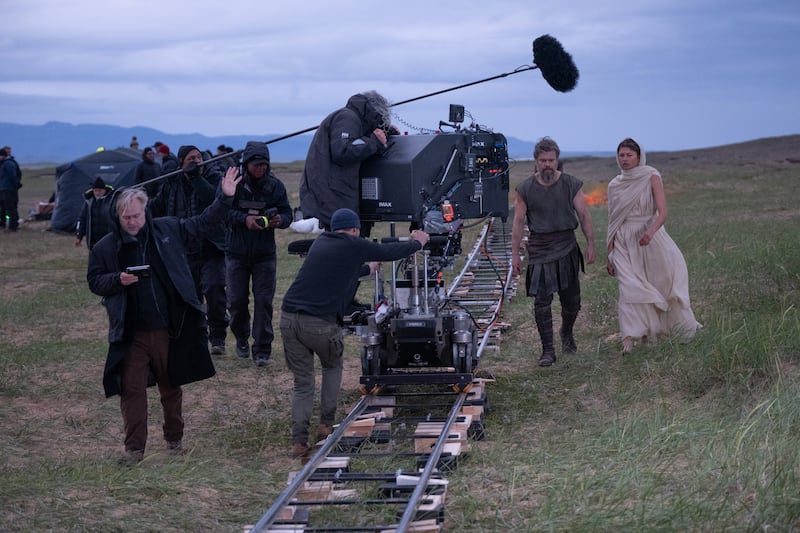
Wilson also pointed out that Nolan shot sequences in the disputed Moroccan-occupied territory of Western Sahara without the consent of the Indigenous Sahrawi people, which she said: “underlines the lack of seriousness in Nolan’s thinking about his themes: the ethical and cultural costs of entering other people’s homes uninvited, for the purpose of extracting resources without respect for an unwilling host.”
Her comments come after Nolan name-dropped Wilson on the film’s press tour, touting her translation of the epic as the inspiration for his take on the titular character. Wilson acknowledged the call-out in her London Review essay, “I was humbled to learn that Nolan has read at least the first line of my translation ofThe Odysseyinto iambic pentameter,” just before skewering the film.
Her harsh critique of the movie has drawn backlash. An L.A. Times op-ed told her to “Deal with” the film’s changes to the original text. Literary legend Joyce Carol Oates wrote that Wilson’s first essay echoed “MAGA folks” who have complained about the film for its racially inclusive cast.
Another classicist wrote in Slate, “The close attention to the text that informs Wilson’s translation is lacking in her reading of the movie, and the idea that Nolan might have something new to say about the Odyssey is denied.”
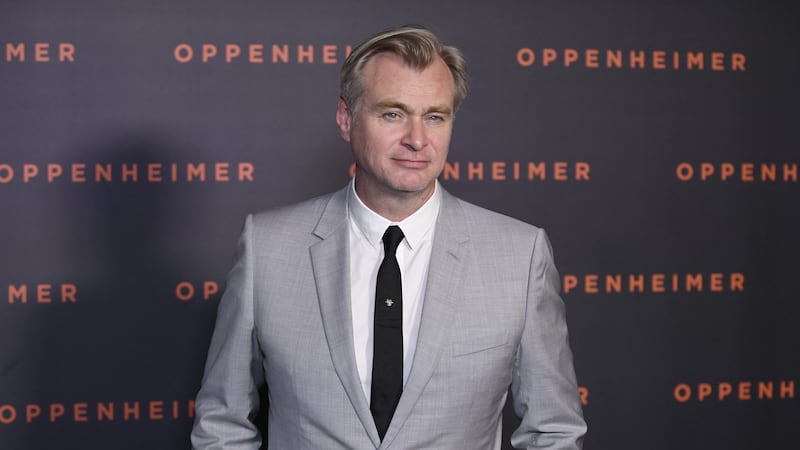
Nolan himself has sidestepped responding to Wilson directly, though he did hit back at “amateur film critics” in an interview that followed Wilson’s first review. “Professional film criticism tends to understand the necessity for the mechanisms” of film language, the Oscar winner said.
He added, “I’m thinking more of amateur criticism when I say...because they feel they’ve identified the mechanism, they feel that it invalidates it.”
But Wilson sticks to her negative impression of Nolan’s “visually stunning, emotionally empty” movie. “The script grandly insists on the importance of human kindness, while the camera shows us an entirely different set of values,” the scholar wrote.
“In these times of hatred and misinformation, we need more than the ‘apparent magic’ of deceptive images. We need art that is truthful about the costs and the necessity of compassion, and that recognizes that a sense of spiritual superiority may not protect us from lies.”