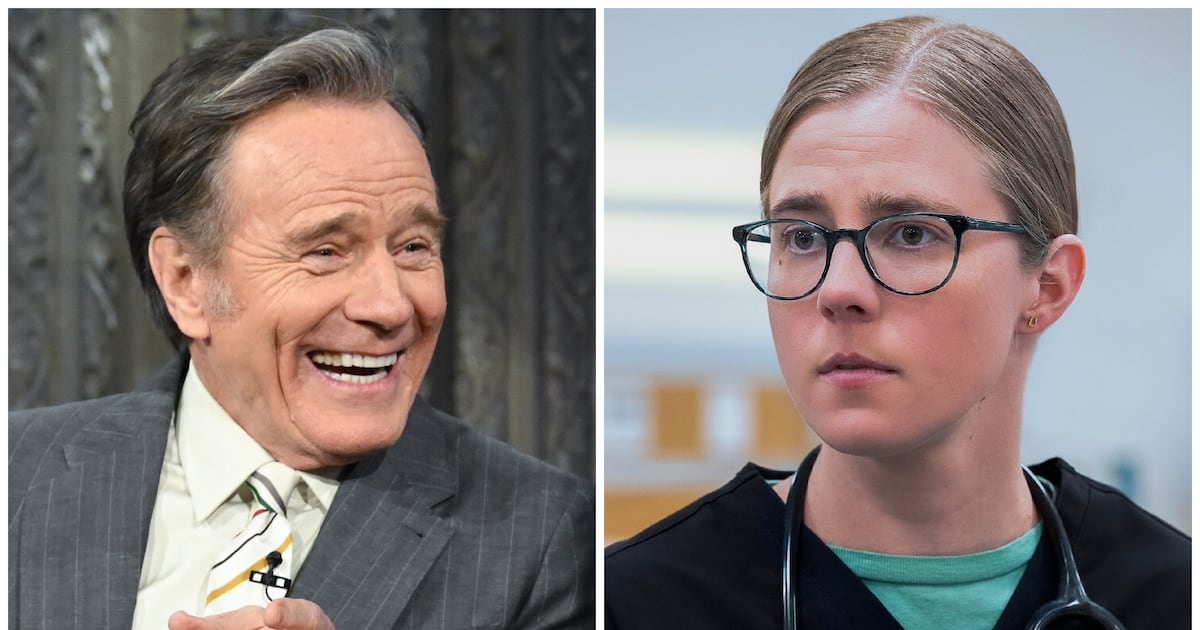
How do you end a historic late-night run cut short by a network’s political affiliations? The co-creator of The Colbert Report thinks you kill them with kindness.
”He gets to go off, justifiably, not as a martyr, but certainly as someone who kind of stood his ground and stayed true to who he was,” Ben Karlin, who currently serves as showrunner on the Prime Video series Bait, told Obsessed: The Podcast. “The fact that there is this built-in sunset for him—to me it’s kind of a dream come true, but I don’t know if he would necessarily say it that way.”
Karlin, 54, has known Colbert, 61, since he joined The Daily Show with Jon Stewart as its first head writer in 1999. He believes Colbert would never go scorched earth on CBS, despite the network’s “100 percent political” decision to end his show.

“Obviously, it’s a little icky the way things are shifting right now. It doesn’t feel good just in terms of comedy and just the political environment of where these worlds used to feel somewhat a little more separated,” Karlin said, but noted that Colbert’s unquestionably “a classy guy.”
“I think he’s capable of killing with kindness. I think what he doesn’t say is sometimes better than what can be said,” he added. “At the end of the day, they paid him a ton of money. He got to do a version of the show that he wanted to do for a long time.”
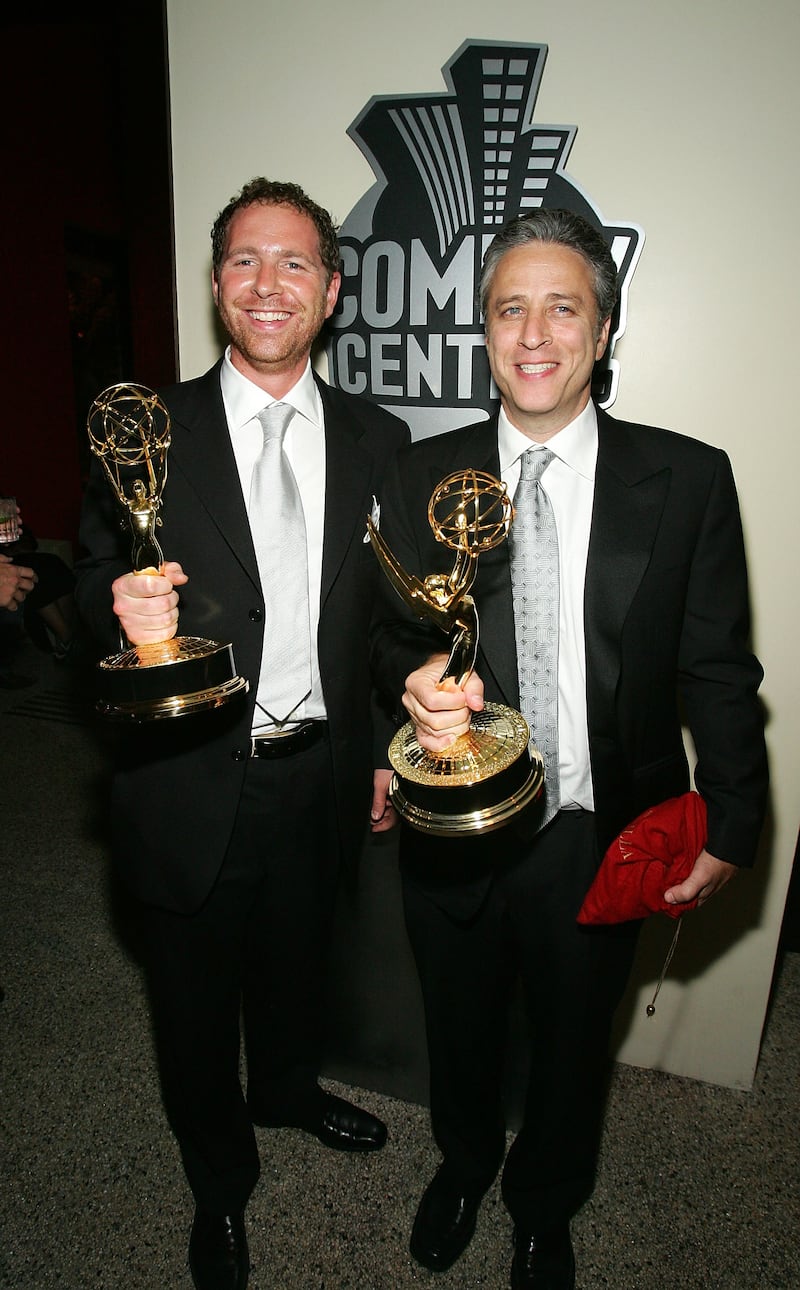
Despite Colbert’s acclaimed work on The Late Show, Karlin says he still prefers the host’s older work.
“I have a soft spot for The Colbert Report, not just because I was there at the beginning, but just because it felt like it was really trying to do something different in the late-night space,” Karlin declared.
“When you go to these big institutional shows, yes, there is some room to kind of fuss with some of the details a little bit, but ultimately you’re kind of a slave to that format,” he added.

On The Daily Show, Karlin oversaw the show’s “murderer’s row” of iconic correspondents, including Colbert, Steve Carell, John Oliver, Samantha Bee, and Ed Helms. After Carell left for The Office in 2005, Karlin realized they needed to lock down whatever other talent they could.
“We’re going to lose these people,” Karlin remembered thinking, particularly about Colbert. “He’s either going to be a star with us, or he’s going to be a star on his own.”

So, Stewart, Colbert, and Karlin pitched Comedy Central on a spinoff focused on the comedian as a faux right-wing pundit in the model of Fox News star Bill O’Reilly. The network had concerns.
“We don’t know if this thing is going to work long-term. We think it’s really funny, but does that character have staying power, or are people just going to get sick of it?” Karlin recalled Comedy Central saying.
At the core of The Colbert Report was the disparity between Colbert’s fundamental nature as a “decent human being” and his egotistical character’s outlandish comments.
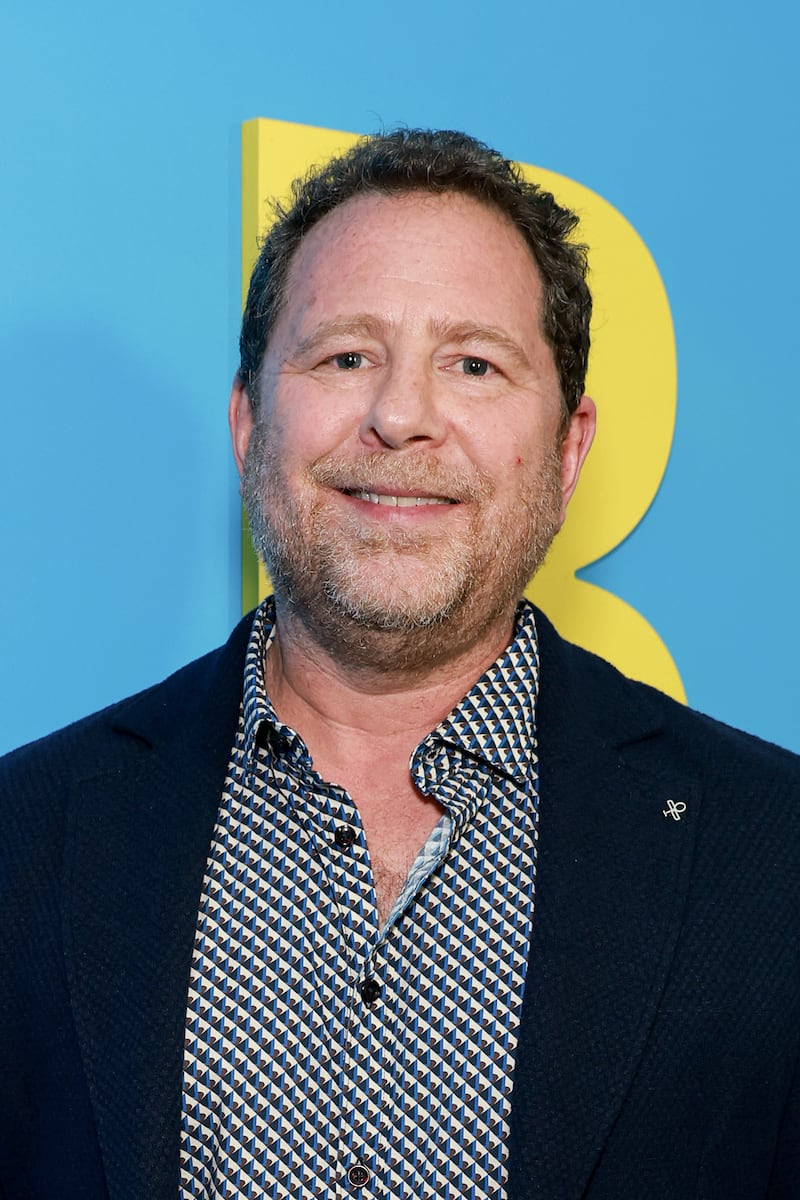
“He’s such a good man that he was allowed to be bats--t crazy and say horrible things,” Karlin recalled. “The success of the show existed in that tension between the absurdity of the character and the reality of his radiating decency.”
Karlin thinks it’s still some of Colbert’s best work.
“There was just so much about it that felt kind of ahead of its time,” he reflected.
In the years since writing for Colbert and Stewart, Karlin went on to work for Modern Family, Future Man, and his new show with Riz Ahmed, Bait.
The six-part limited series, about an actor’s fictitious quest to become the next James Bond, is currently available to stream on Amazon Prime Video.
Subscribe to our YouTube channel to watch new episodes of ‘Obsessed: The Podcast’ every Wednesday and Friday. And follow our feed to listen to the show the next morning on your favorite podcast platform.