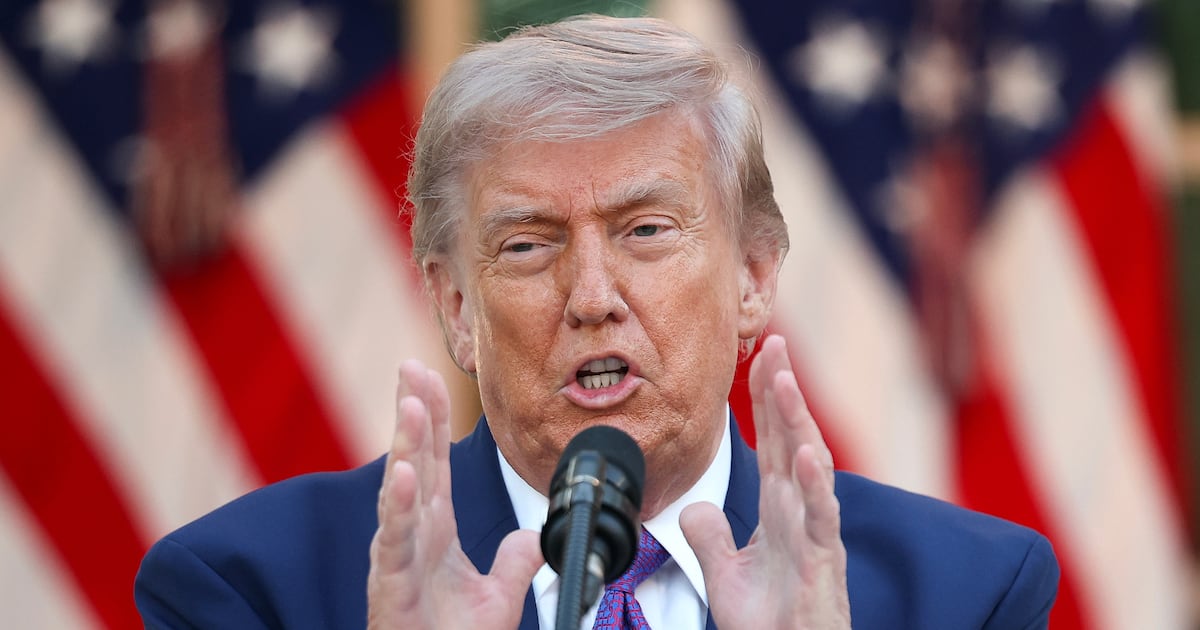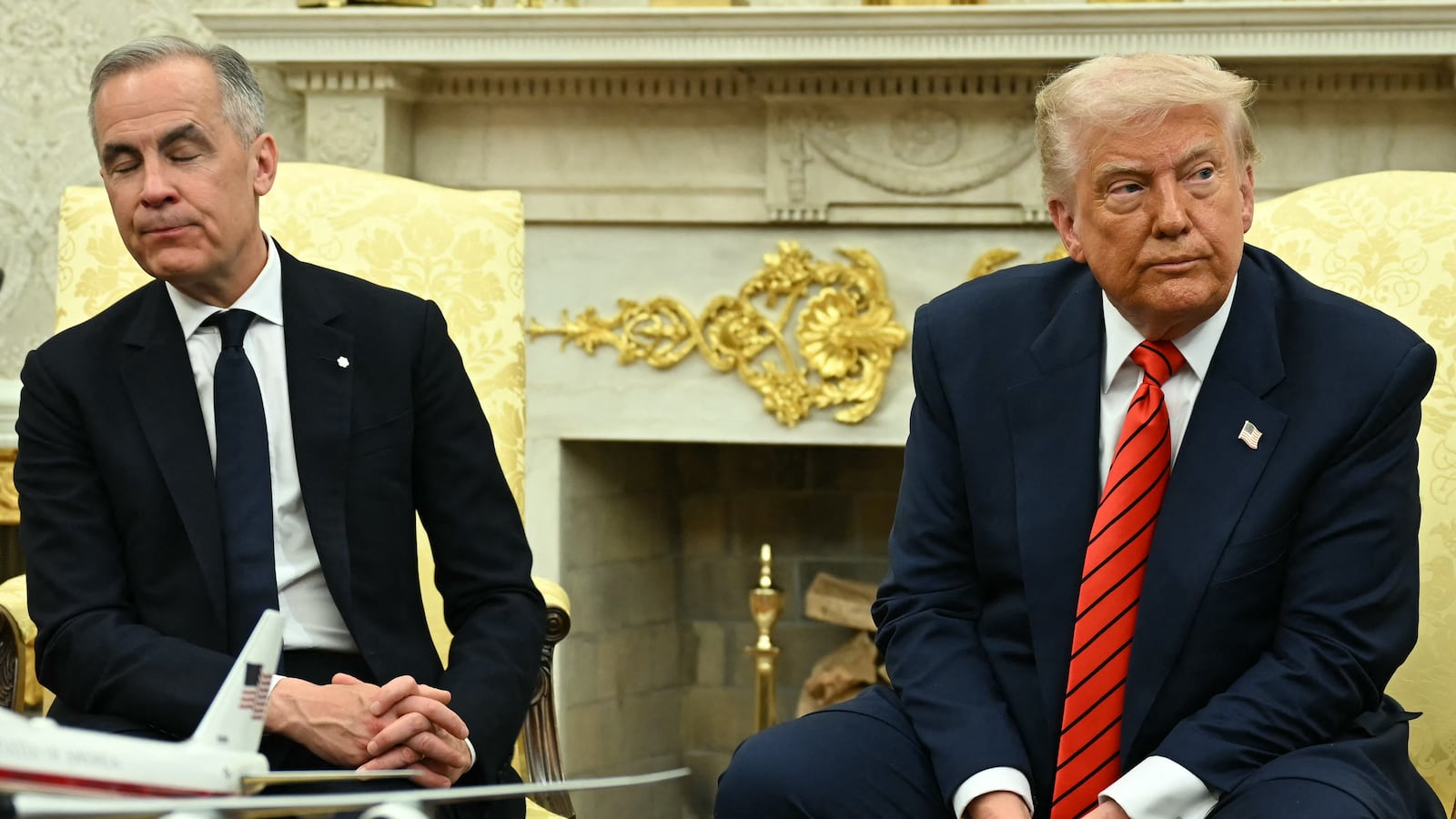
Visits by Canadians to major U.S. cities have crashed by a staggering 42 percent during President Donald Trump’s second term, new research has found.
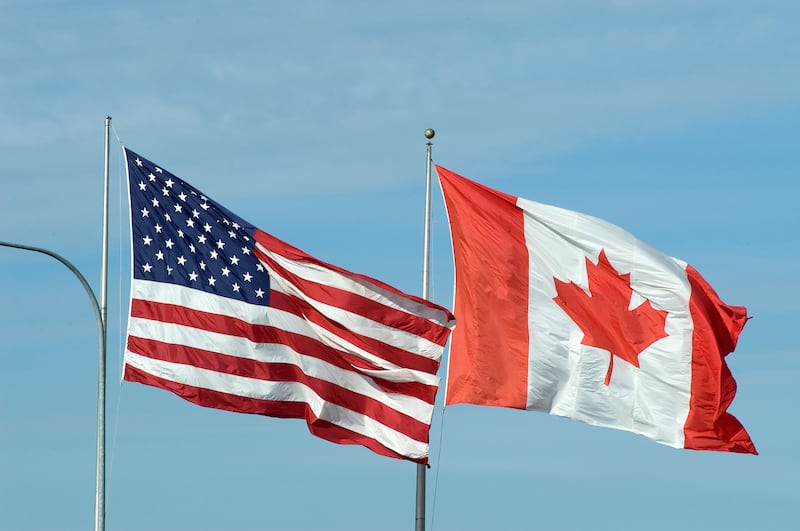
The eye-watering slump in cross-border travel comes amid mounting fury north of the 49th parallel at Trump, 79, who has slapped tariffs on Canadian-made goods, ramped up immigration enforcement, and repeatedly threatened to swallow Canada as America’s “51st state.”

U.S. border towns whose cash registers depend on Canadian visitors have been left reeling as families and business travelers shun the trip south, The Guardian reports.
The 42 percent figure—uncovered by a University of Toronto research tool that tracks cellphone activity—dwarfs the roughly 25 percent drop captured by official border-crossing data, the newspaper said. The researchers said they had been struck by “the marked decline in visits to large metropolitan economies.”
It is not just the obvious tourist traps that are feeling the pinch. The team flagged sharp declines in New York, New Hampshire, and Vermont, as well as in marquee destinations like Las Vegas and Walt Disney World.
Karen Chapple, director of the School of Cities at the University of Toronto and a co-author of the report, told The Guardian one finding that immediately jumped out at her was the slump in travel to Grand Rapids, Michigan, a city with “deep economic connections with Ontario because of the auto industry.”
“There used to be a lot of back and forth between the two places,” Chapple said, referring to work trips that have dried up since the U.S. imposed tariffs on Canadian vehicles.
The researchers, who analyzed Canadian devices traveling to U.S. metro areas between April 1, 2024, and March 31, 2026, told The Guardian that finance and tech hubs like San Francisco and Houston have been hammered by a drop in business travel, not just tourism—blaming wider economic anxieties affecting both countries
The cellphone data may also be picking up something the official numbers cannot—Canadians who had been based stateside on a short-term basis and have now packed up and headed home.”
Canadian government figures back up the broader picture, with return trips home by Canadians from the U.S. down 25 percent last year, while American visits to Canada fell by 7.5 percent.
The Daily Beast has contacted the White House for comment.