A prominent physician has raised concerns about the lack of transparency surrounding the laundry list of health issues that Donald Trump suffers from.
Jonathan Reiner, professor of medicine and surgery at George Washington University, who was also former Vice President Dick Cheney’s cardiologist, wrote in The New York Times that the American public “deserves answers” about the flailing health of the 80-year-old president.

Reiner notes that Trump, who is on course to be the oldest sitting president in U.S. history, and the White House are not being open about how ill the president is, while noting ailments that the Daily Beast has routinely been reporting on since February 2025.
“Despite reassurances from the White House to the contrary, at times over the past year, the president has not looked well,” Reiner writes.
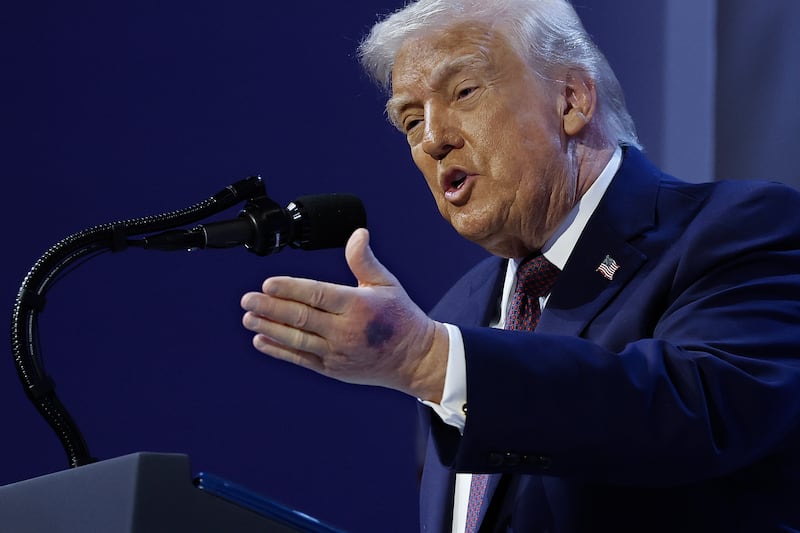
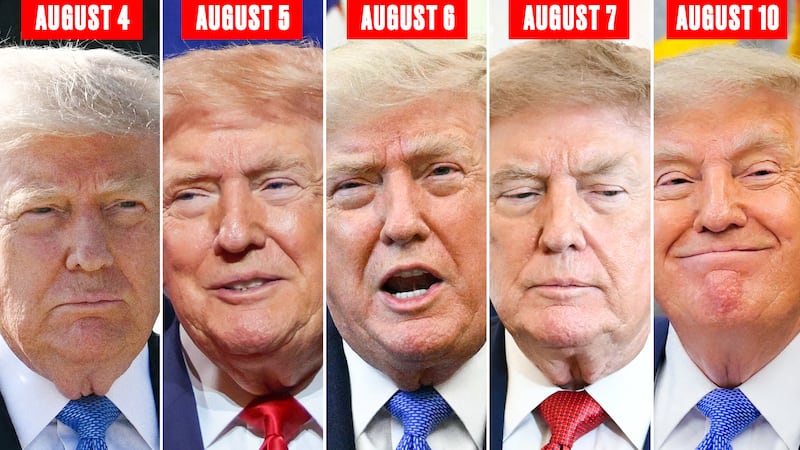
“I am not Mr. Trump’s doctor, and have only reviewed his records that have been made public. But Mr. Trump is probably the most photographed president in American history, and a variety of physical ailments are easy to see,” he added.
“He’s had large bruises on both hands, swelling in his legs and episodes when it appears that he is struggling to stay awake. He’s also had advanced imaging performed for unclear reasons. The public is again left to wonder whether the nation’s leader is OK.”

Reiner also poses a list of unanswered questions that will go a long way toward providing the country with clarity about the flailing president’s health.
This includes offering a new explanation as to why Trump frequently appears in public with large dark bruises on both his hands, which he often tries to hide with blotches of makeup.
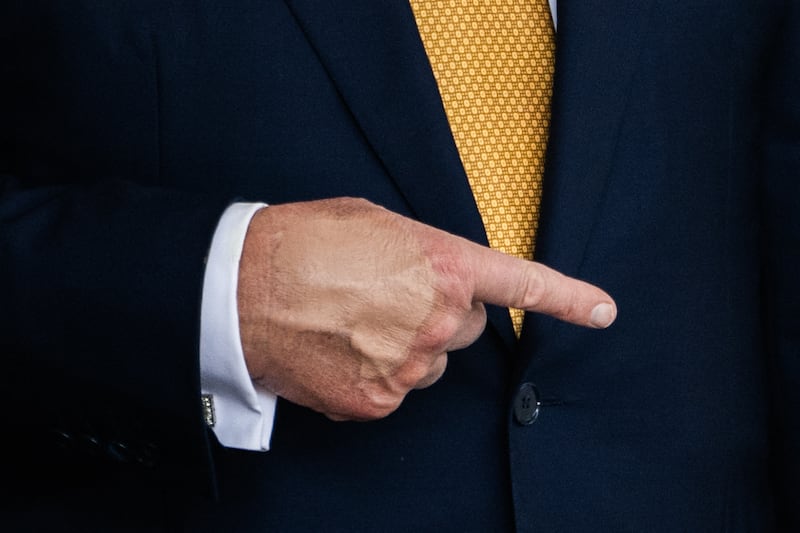
The White House long has tried to explain that the bruising is because Trump regularly shakes people’s hands, combined with his daily aspirin intake, which is four times higher than what is usually recommended.
However, Reiner suggests this excuse has “never seemed plausible” and does not explain why the dark bruising appears on both of Trump’s hands, when the president only shakes with his right.

Reiner also asks why the the president was evaluated by 22 consultants during this last medical check–up—his third in 13 months.
In July, the White House confirmed Trump had been diagnosed with chronic venous insufficiency, which causes his swollen cankles. However, there was no swelling reported in Trump’s previous physical examination, even though the condition usually develops over a long period of time.
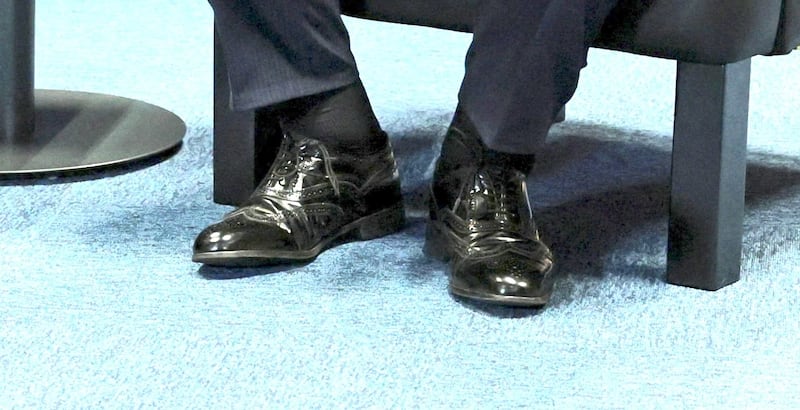
“If that’s true, his swelling would be by definition acute, not chronic,” Reiner wrote in The Times.
“Acute leg swelling is a potentially much more consequential finding that can be caused by issues such as heart and kidney disease. What’s the reason for this discrepancy?”
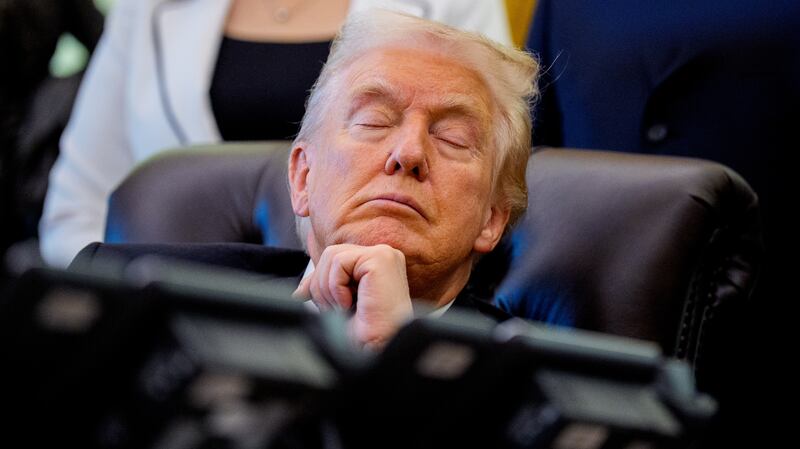
Elsewhere, Reiner asks if the president’s habit of falling asleep in public is just because the 80-year-old is a “renowned night owl,” or a medical issue that could cause serious complications if left untreated.
Reiner also wanted to know why the president’s previously documented use of the hair-loss prevention drug finasteride was not included in Trump’s latest medical examination, or why the White House suggested that it was not “deemed clinically relevant” to include.
“It does not matter, in any material way, if the president is or isn’t taking a hair-loss drug,” Reiner wrote. “The more important question is, what medications prescribed for Mr. Trump, if any, has the White House decided to withhold from the public?”
Finally, Reiner asked why Trump has undergone the Montreal Cognitive Assessment—which screens for early signs of dementia, and not an IQ test as the president claims—on numerous occasions while in office.
“Some people would argue that these personal medical details are more than the public deserves to know: After all, Buckingham Palace has not revealed many details about King Charles’s cancer or his treatment,” Reiner adds.
“But the United States does not have a king. In a representative democracy, the people must have confidence in the health of their leader, and in the leader’s capacity to guide the nation. We have been kept in the dark too long.”
The Daily Beast has contacted the White House for comment.