

Iran has destroyed or damaged far more U.S. military targets across the Middle East than the Trump administration has publicly disclosed, according to a report.
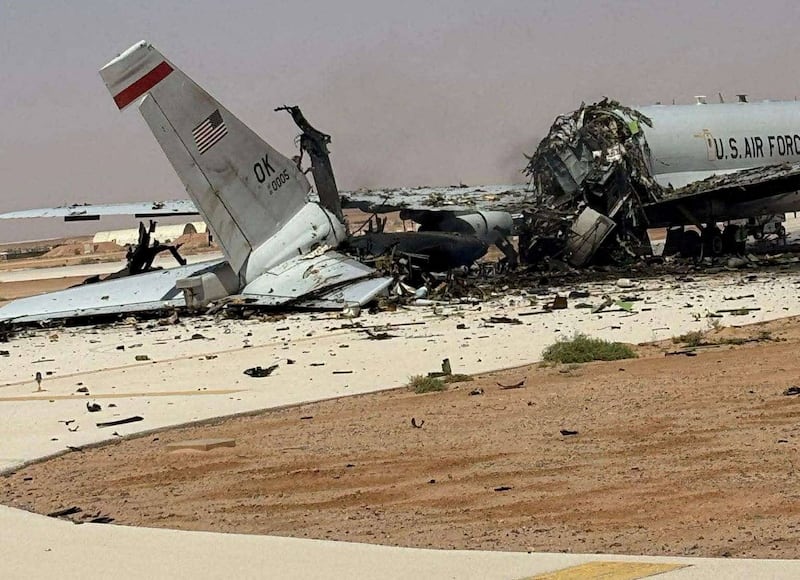
Detailed satellite analysis by The Washington Post found that at least 228 barracks, hangars, fuel depots, aircraft, and other radar or air defense systems have been targeted in Iranian airstrikes since the war began on Feb. 28.
The Post also reported that, of the more than 400 troops injured in President Donald Trump’s war, at least 12 suffered injuries so severe they were classified by the military as “serious,” according to unnamed U.S. officials.
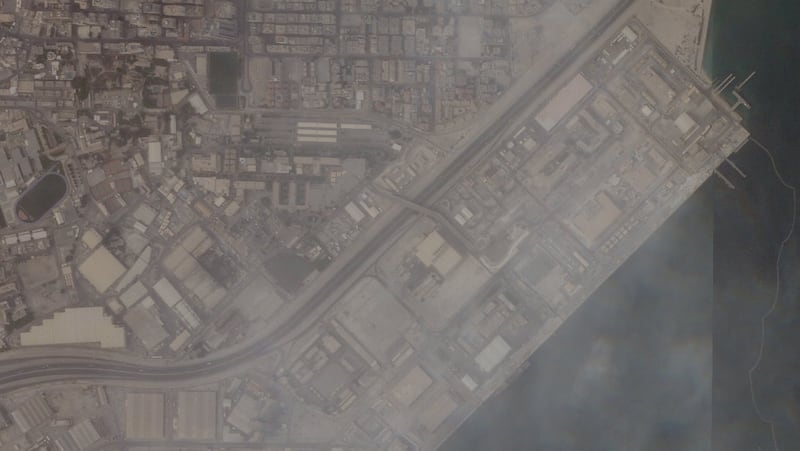
The U.S. government has attempted to limit the release of satellite imagery from the region during the war. Two major commercial providers, Vantor and Planet, agreed to requests to severely limit or completely withhold the publication of such images on their platforms during the conflict.
However, Iranian state-affiliated media have continued to document strikes across the region. The Post cross-referenced those reports with Sentinel-2 imagery—part of the EU’s Copernicus satellite system—as well as high-resolution images from Planet where available.

In total, the analysis found that 117 structures and 11 pieces of equipment were damaged or destroyed at 15 U.S. military sites across the Middle East. Fewer than half of the bases reviewed showed no damage.
“The Iranians have deliberately targeted accommodation buildings across multiple sites with the intent to inflict mass casualties,” William Goodhind, an investigator with the open-access research project Contested Ground, told the Post.
“It is not just equipment, fuel storage, and air base infrastructure under fire, but also soft targets such as gyms, food halls, and accommodation.”
One official told the newspaper that Iran’s attacks on Naval Support Activity Bahrain—home to the U.S. Fifth Fleet headquarters—were so “extensive” that operations may have to be relocated to MacDill Air Force Base in Tampa, Florida.

The official added the damage is so severe that U.S. troops, contractors, and civilian employees are unlikely to return to the base anytime soon. Other officials suggested U.S. forces may never return to some of the targeted sites at scale.
Mark Cancian, a senior adviser at the Center for Strategic and International Studies, told the Post that the satellite images underscore the precision of the Iranian strikes and suggest the U.S. may have underestimated their capabilities. “There are no random craters indicating misses,” he said.
However, Cancian, a retired Marine Corps colonel, also suggested the U.S. may have allowed some strikes for strategic reasons. This includes allowing a missile to hit an unimportant target, or trying to convince Iranian forces that an empty base was actually occupied and in use.
A Defense Department spokesperson referred the Daily Beast’s questions to U.S. Central Command. CENTCOM did not respond to a request for comment at the time of publication.